Home improvements can make a property more comfortable, functional and attractive, but they do not automatically increase its value by the amount spent.
A renovation costing $50,000 may add less than $50,000 to the home’s market value. In some cases, a modest repair or cosmetic update can produce a better return than an expensive remodel.
The home improvements that increase property value most effectively tend to correct visible problems, improve everyday function and bring the property in line with buyer expectations for its location and price range.
Before starting, consider whether the goal is resale value, personal enjoyment, lower operating costs or a combination of these benefits.
How Home Improvements Affect Property Value
Market value depends on what buyers are willing to pay for the property as a whole.
An improvement’s effect may depend on:
- Location
- Property type
- Price range
- Quality of work
- Buyer preferences
- Local climate
- Neighborhood standards
- Age of the home
- Current condition
- Project cost
- Permits
- Market conditions
- Time between renovation and sale
A renovated kitchen may strongly influence value in one market but provide limited benefit in another where buyers prioritize lot size, parking or additional bedrooms.
The Appraisal Institute advises homeowners to consider improvements that bring a property up to community norms without improving it far beyond surrounding homes. Appraisal Institute guidance
Resale Value Is Not the Same as Return on Investment
Return on investment is often expressed as:
Suppose a renovation costs $20,000 and is estimated to add $14,000 to the sale price:
The homeowner may recover approximately 70% of the cost through resale value in this simplified example.
That does not necessarily make the remaining 30% a waste. The homeowner may also receive years of greater comfort, efficiency or enjoyment.
Estimates are not guarantees. Final value depends on the market when the property is sold.
Address Repairs Before Cosmetic Upgrades
Correcting existing problems is usually more important than adding luxury finishes.
Priority issues may include:
- Active roof leaks
- Plumbing leaks
- Unsafe electrical work
- Structural concerns
- Drainage problems
- Moisture damage
- Broken heating or cooling equipment
- Damaged windows and doors
- Pest-related deterioration
- Unsafe stairs or railings
A new countertop may have limited influence if buyers also see water stains, foundation cracks or an aging roof.
Deferred maintenance can reduce buyer confidence and make the property appear more expensive to own.
Improve the Home’s Exterior Appearance
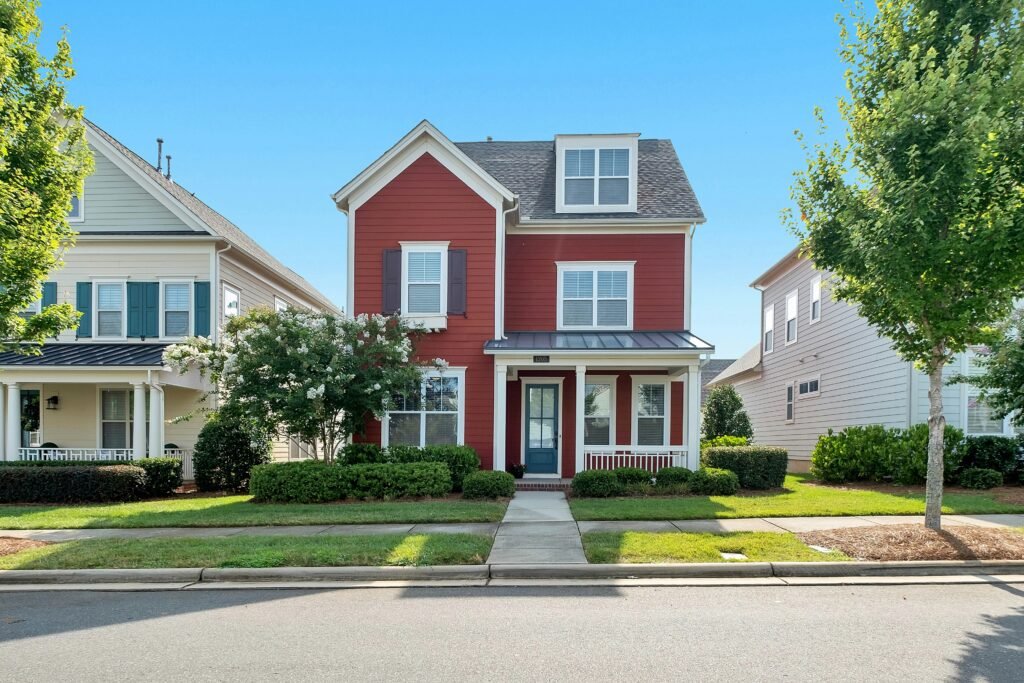
The exterior creates the first impression for buyers and may influence whether they schedule a viewing.
Potential improvements include:
- Repairing damaged siding
- Repainting worn surfaces
- Cleaning exterior materials
- Replacing damaged trim
- Improving the entrance
- Repairing railings
- Updating visible house numbers
- Maintaining gutters
- Correcting cracked walkways
- Removing dead vegetation
The goal is not to create the most elaborate exterior in the neighborhood. It is to make the property appear cared for, safe and consistent with nearby homes.
Refresh the Front Entrance
A front entrance is a relatively small area with a significant visual role.
Possible updates include:
- Repainting or replacing a damaged door
- Repairing the threshold
- Updating worn hardware
- Improving exterior lighting
- Repairing steps
- Replacing damaged railings
- Adding clear house numbers
- Correcting water entry
- Cleaning the surrounding area
A replacement door will not provide strong value if it is poorly installed or inconsistent with the architecture.
Security, weather resistance and proper operation matter as much as appearance.
Use Interior Paint Strategically
Paint can make a home appear brighter, cleaner and more consistent.
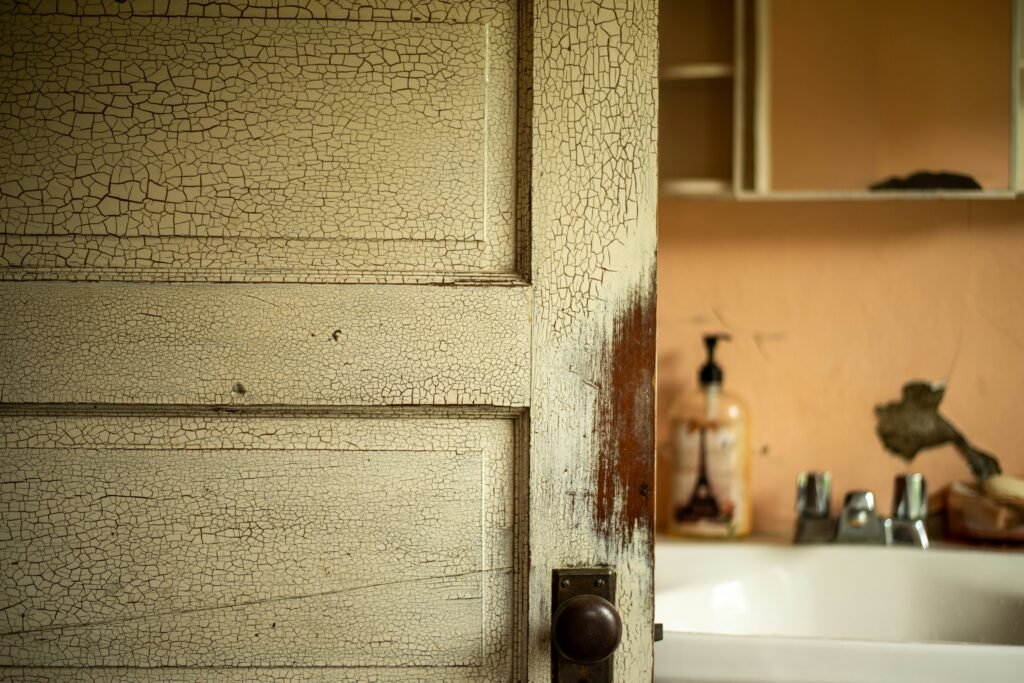
Painting may be particularly helpful when walls have:
- Strongly personalized colors
- Visible patches
- Heavy scuffing
- Fading
- Mismatched finishes
- Old wallpaper
- Staining from a repaired problem
Neutral does not have to mean colorless. The goal is to create a broadly appealing background that allows buyers to imagine their own furniture and style.
Do not paint over mold, active water stains or damaged materials. Repair the source and allow the area to dry first.
Update the Kitchen Without Automatically Rebuilding It
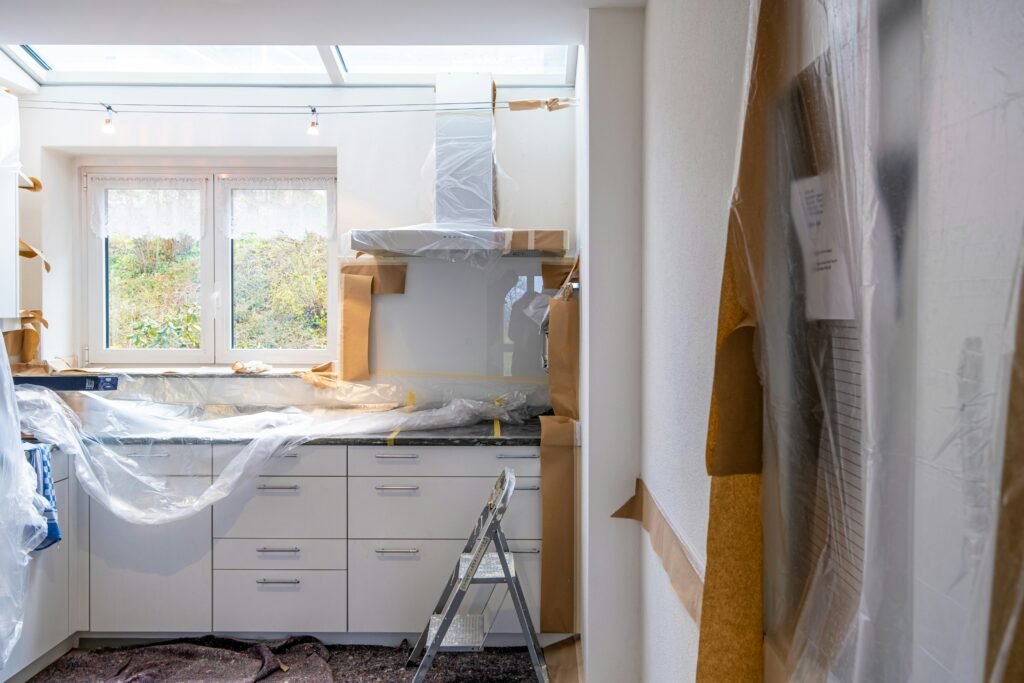
Kitchens strongly influence how buyers perceive a home, but complete renovation is not always necessary.
A targeted update may include:
- Repairing cabinet doors
- Replacing worn hardware
- Improving lighting
- Updating damaged countertops
- Replacing a failing faucet
- Correcting poor ventilation
- Refinishing suitable cabinets
- Replacing severely outdated appliances
- Repairing flooring
- Improving storage
A smaller update may offer better value when the kitchen is functional but looks tired.
A full renovation may be more appropriate when the layout is unsafe, cabinetry is failing, plumbing needs major work or the kitchen is significantly below neighborhood expectations.
Avoid choosing highly personalized finishes if resale is the primary goal.
Improve Bathroom Condition and Function
Bathrooms should feel clean, dry and easy to maintain.
Value-supporting improvements may include:
- Repairing leaks
- Replacing failed caulk
- Correcting loose tiles
- Improving ventilation
- Updating damaged fixtures
- Replacing unsafe flooring
- Improving lighting
- Adding practical storage
- Repairing worn cabinetry
- Correcting water pressure or drainage
A complete bathroom addition may improve functionality when the existing number of bathrooms is unusually low for the property and local market.
Adding a bathroom can involve plumbing, ventilation, waterproofing, structural and permit requirements. The value added should be compared with the complete project cost.
Refinish or Replace Worn Flooring
Flooring extends throughout large visible areas, so its condition can influence the impression of the entire home.
Possible improvements include:
- Refinishing suitable wood floors
- Replacing severely stained carpet
- Repairing broken tiles
- Correcting loose flooring
- Replacing water-damaged sections
- Using consistent materials in connected spaces
Existing hardwood may be worth evaluating before it is covered or removed.
Choose materials appropriate for the room, climate and expected maintenance. The most expensive option is not automatically the most valuable.
Improve Energy Performance
Energy improvements can offer value through lower operating costs, improved comfort and reduced drafts.
Potential projects include:
- Air sealing
- Attic insulation
- Duct sealing
- Efficient heating and cooling equipment
- Efficient water heating
- Appropriate windows and doors
- Smart controls
- Improved ventilation
- Energy-efficient appliances
- Solar systems where suitable
The U.S. Department of Energy explains that energy upgrades may provide value through savings, comfort, air quality, lower maintenance needs and potential resale benefits. DOE guidance on valuing energy improvements
Not every upgrade is appropriate for every home. Climate, utility rates, existing equipment and installation quality affect the benefit.
Begin with an energy assessment where available rather than replacing major systems based only on marketing claims.
Add or Improve Insulation
Insulation can improve comfort and reduce heating or cooling demand when installed as part of a properly designed building system.
Common areas include:
- Attics
- Exterior walls
- Floors over unconditioned spaces
- Basements
- Crawl spaces
- Accessible rim joists
Do not add insulation over:
- Active roof leaks
- Wet materials
- Mold
- Unsafe wiring
- Improper ventilation
- Unresolved pest activity
Air sealing, moisture control and ventilation may need to be coordinated with insulation.
Replace Failing Heating or Cooling Equipment
Replacing equipment solely to increase resale value may not recover the entire cost. However, an unreliable or nonfunctioning system can discourage buyers and create financing, inspection or insurance concerns.
Replacement may be appropriate when:
- The system no longer works reliably.
- Repairs are frequent.
- Required parts are unavailable.
- Energy use is unusually high.
- The equipment is unsafe.
- The system cannot maintain comfort.
- A qualified evaluation supports replacement.
Keep installation records, permits, model information and warranties.
Improve Windows and Exterior Doors When Needed
Window and door replacement may improve:
- Weather resistance
- Comfort
- Security
- Noise control
- Appearance
- Energy performance
Replacement may be justified when units are:
- Rotted
- Broken
- Difficult to operate
- Leaking
- Unsafe
- Poorly installed
- Beyond practical repair
Do not assume that every older window needs replacement. Weatherstripping, glazing repair or targeted restoration may address the problem at lower cost.
Create More Functional Living Space
Buyers often value usable space more than unfinished or awkward areas.
Possible projects include:
- Finishing a suitable basement
- Converting an attic
- Creating a home office
- Improving a laundry area
- Adding practical storage
- Reconfiguring an inefficient layout
- Creating a mudroom
- Improving access to outdoor space
Additional finished space may not be valued equally if it lacks:
- Required permits
- Proper ceiling height
- Safe access
- Emergency egress
- Heating and cooling
- Moisture control
- Appropriate electrical work
- Legal approval for its intended use
A finished basement or converted attic should be designed as a complete building project, not simply covered with drywall and flooring.
Add a Bedroom Only When It Qualifies as One
A room may need to satisfy local requirements before it can be marketed or valued as a bedroom.
Possible considerations include:
- Size
- Ceiling height
- Emergency escape
- Heating
- Ventilation
- Natural light
- Access
- Septic capacity
- Zoning or occupancy limits
Adding a bed to a room does not automatically make it a legal bedroom.
Confirm local rules before planning the project around an expected increase in bedroom count.
Add a Bathroom When the Layout Supports It
An additional bathroom may be valuable when it resolves a clear functional limitation.
The project may be more practical when:
- Plumbing is nearby.
- The layout has appropriate space.
- Ventilation can be provided.
- Waterproofing can be completed correctly.
- The home has fewer bathrooms than comparable properties.
- The addition does not remove essential storage or living space.
A poorly positioned half-bath that makes other rooms less functional may add less value than expected.
Improve Storage
Storage improvements can make an existing home feel more usable without expanding its footprint.
Options may include:
- Closet systems
- Pantry storage
- Entryway storage
- Laundry cabinets
- Garage organization
- Built-in shelving
- Attic storage where structurally appropriate
- Under-stair storage
Storage should not block:
- Electrical panels
- Heating equipment
- Plumbing access
- Emergency exits
- Ventilation
- Fire-safety components
Avoid highly specialized built-ins that reduce room flexibility.
Improve Lighting
Lighting can affect both appearance and everyday use.
Potential improvements include:
- Replacing broken fixtures
- Adding task lighting
- Improving kitchen lighting
- Updating exterior lighting
- Increasing natural light where practical
- Correcting dark hallways
- Using consistent color temperatures
- Adding dimming controls where appropriate
Electrical work should comply with local requirements and be completed by qualified professionals where necessary.
Installing too many fashionable fixtures can make a home feel dated when trends change.
Repair or Replace the Roof When Needed
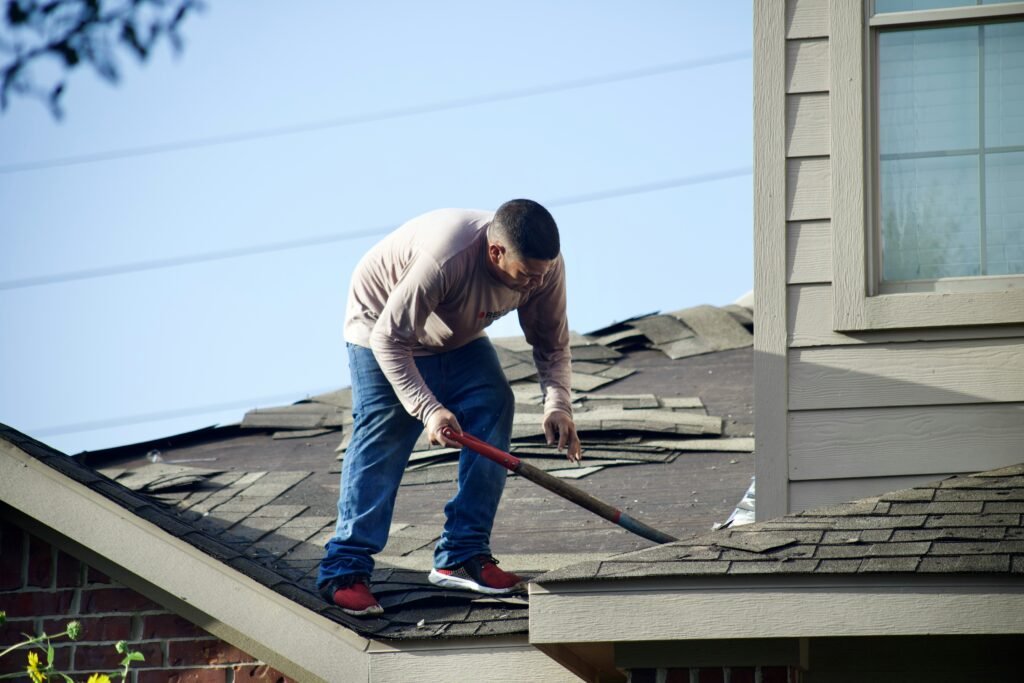
A roof replacement is unlikely to be an exciting feature for most buyers, but a failing roof can materially reduce confidence and create financing or insurance concerns.
Repair or replacement may support value when the roof has:
- Active leaks
- Widespread deterioration
- Missing materials
- Damaged decking
- Repeated repair history
- Serious storm damage
- Little remaining service life
Do not replace a sound roof solely because it is older. Obtain a condition-based evaluation.
Keep warranty, permit and installation records for future buyers and appraisers.
Update Electrical Capacity and Safety
Electrical improvements may not create the visual effect of a new kitchen, but they can improve safety and support modern use.
Potential work may include:
- Replacing unsafe components
- Correcting exposed wiring
- Adding appropriate protection
- Updating insufficient service
- Adding needed outlets
- Improving outdoor electrical safety
- Supporting new appliances or vehicle charging
The value depends on whether the existing system is inadequate or unsafe.
Electrical panels and wiring should be evaluated and modified by qualified professionals. Cosmetic switches and fixtures do not correct underlying capacity or safety problems.
Improve Plumbing Reliability
Plumbing improvements may increase buyer confidence when they correct known deficiencies.
Projects may involve:
- Replacing failing supply lines
- Correcting leaks
- Improving water pressure
- Repairing drains
- Replacing an unreliable water heater
- Correcting poor fixture installation
- Addressing sewer or septic concerns
- Adding accessible shutoff valves
Hidden plumbing work should be documented because future buyers cannot easily see what was completed.
Improve Drainage and Moisture Control
Water management protects more than resale value. It can help prevent damage to foundations, walls, flooring and interior finishes.
Potential improvements include:
- Repairing gutters
- Extending downspouts appropriately
- Correcting grading
- Repairing flashing
- Addressing foundation seepage
- Improving bathroom ventilation
- Correcting roof leaks
- Repairing plumbing leaks
- Maintaining sump systems
- Managing crawl-space moisture
Do not complete cosmetic basement finishing before resolving water entry.
A dry, properly managed space may be more valuable than an attractively finished area with recurring moisture.
Improve Outdoor Living Areas Carefully
Outdoor projects may add appeal where climate and local buyer preferences support them.
Options include:
- Repairing a deck
- Creating a patio
- Improving exterior lighting
- Adding usable seating
- Improving landscaping
- Creating shade
- Repairing fences
- Improving pathways
The National Association of Realtors’ remodeling research considers both estimated resale value and homeowner satisfaction, illustrating that a project’s benefit can extend beyond cost recovery. NAR Remodeling Impact research
Outdoor features should be safe, permitted where necessary and proportionate to the property.
Improve Landscaping Without Overcomplicating It
Well-maintained landscaping can improve first impressions.
Value-supporting work may include:
- Removing dead plants
- Trimming overgrowth
- Repairing lawn damage
- Improving drainage
- Adding simple planting
- Defining walkways
- Correcting hazardous trees
- Improving visibility at the entrance
- Using climate-appropriate plants
Complex landscaping may require expensive ongoing maintenance and appeal to fewer buyers.
Avoid placing trees or large plants where roots, branches or irrigation could damage the house.
Consider Resilience Improvements
In areas exposed to storms, floods, wildfire or earthquakes, resilience work may improve safety and reduce future damage.
Possible projects include:
- Roof strengthening
- Impact-resistant openings
- Improved drainage
- Fire-resistant exterior materials
- Seismic strengthening
- Flood-resistant materials
- Utility protection
- Defensible landscaping
- Backup power where suitable
The effect on market value and insurance varies.
Use local hazard information, current building codes and qualified design professionals. FEMA maintains resources concerning hazard-resistant building codes and construction. FEMA building-code resources
Improve Accessibility
Accessibility improvements can make a property functional for more people.
Potential upgrades include:
- Step-free entry
- Wider doorways
- Improved lighting
- Lever-style handles
- Safer bathrooms
- Reinforced walls for future grab bars
- Accessible switches
- Improved pathways
- Main-level living arrangements
The value depends on design, local demand and how well the improvement integrates with the home.
Thoughtful universal design can increase usability without making the property feel institutional.
Improvements That May Not Add as Much Value as Expected
Highly Personalized Renovations
Bold finishes, unusual layouts and specialized rooms may appeal strongly to one owner but reduce flexibility for future buyers.
Examples could include:
- Removing several bedrooms for one large room
- Permanently converting a garage
- Installing highly unusual fixtures
- Creating a room with only one specialized purpose
- Using materials that are difficult to maintain
Personalized improvements can still be worthwhile when the homeowner expects to remain in the property and values the use.
Luxury Finishes Beyond Neighborhood Standards
Installing premium materials in a moderately priced neighborhood may not produce a matching increase in value.
Overimprovement can occur when the project cost substantially exceeds what buyers expect to pay for similar homes nearby.
A home can be the most attractive property on the street without being valued dollar-for-dollar for every luxury feature.
Swimming Pools
A pool may increase appeal in some warm climates and reduce it in markets where buyers are concerned about:
- Maintenance
- Safety
- Insurance
- Seasonal use
- Energy costs
- Yard space
The effect is highly location- and buyer-dependent.
Do not assume the construction cost will be recovered through resale.
Removing a Bedroom
Removing a bedroom to enlarge another space can reduce the property’s market position if bedroom count strongly affects comparable sales.
Confirm how the proposed layout compares with nearby homes before making a permanent change.
Converting a Garage
A garage conversion may add living area but remove parking, storage and vehicle protection.
Its value depends on:
- Local parking needs
- Climate
- Permit status
- Construction quality
- Ceiling height
- Heating and cooling
- Emergency egress
- Neighborhood expectations
An unpermitted conversion can create additional complications.
Projects With Unresolved Permit Issues
Improvements completed without required approvals may create questions involving:
- Safety
- Insurance
- Financing
- Appraisal
- Zoning
- Resale
- Future permits
FEMA advises property owners to consult local officials so repair and construction work complies with applicable building and floodplain rules. FEMA permit guidance
Confirm requirements before work begins rather than trying to resolve missing permits during a sale.
How to Choose Improvements Before Selling
Start with the problems buyers are most likely to notice.
A practical order may be:
| Priority | Examples |
|---|---|
| Safety | Electrical hazards, unstable stairs and broken railings |
| Water | Roof leaks, plumbing leaks and drainage |
| Function | Broken systems, doors, windows and appliances |
| Condition | Damaged flooring, walls and fixtures |
| Appearance | Paint, lighting, cleaning and landscaping |
| Optional upgrades | Kitchens, bathrooms and added living space |
Ask a local real estate professional which conditions most often concern buyers in your market.
For a substantial project, an appraiser may help assess whether the expected improvement is supported by local comparable properties.
How to Avoid Overimproving
Before approving a large project, compare:
- Your home with nearby properties
- Current value with likely post-renovation value
- Project cost with expected value added
- Your remaining ownership period
- Financing cost
- Maintenance cost
- Local buyer preferences
- Alternative uses of the money
If nearby homes do not contain the proposed feature, determine whether that represents an opportunity or a warning that buyers may not pay for it.
Keep Improvement Records
Documentation can help a future buyer or appraiser understand what was completed.
Keep:
- Contracts
- Invoices
- Permits
- Inspection approvals
- Warranties
- Product information
- Plans
- Photographs
- Energy assessments
- Contractor details
- Completion dates
A list of costs does not prove that market value increased by the same amount. It does show the scope and timing of the work.
Home Improvement Value Checklist
Before beginning a project, ask:
- Does the improvement correct an existing problem?
- Will it improve everyday function?
- Is there evidence of local buyer demand?
- Is the project appropriate for the neighborhood?
- What is the complete cost?
- Will financing add interest?
- Does it require a permit?
- Will insurance change?
- What ongoing maintenance will be required?
- How long will you use the improvement?
- Could a smaller project achieve the same goal?
- How will the work be documented?
Frequently Asked Questions
Which home improvement adds the most value?
There is no universal answer. Repairs, exterior condition, kitchens, bathrooms, flooring and functional improvements often influence buyers, but local demand and project cost determine the value added.
Do kitchen renovations increase property value?
They can, especially when the existing kitchen is damaged or substantially below local expectations. A smaller update may recover a greater portion of its cost than a luxury renovation.
Does adding a bathroom increase home value?
It may when the home has fewer bathrooms than comparable properties and the addition is properly designed and permitted. Plumbing and construction costs can be substantial.
Does painting increase property value?
Paint may improve marketability and buyer perception, particularly when it corrects visible wear or highly personalized colors. It does not correct structural, moisture or maintenance problems.
Do energy-efficient upgrades increase resale value?
They may provide value through energy savings, comfort and market appeal. The resale effect depends on climate, energy costs, documentation and local buyer demand.
Does replacing a roof increase a home’s value?
Replacing a failing roof may protect value and reduce buyer concerns. A new roof does not necessarily increase the sale price by its full cost.
Should you renovate immediately before selling?
Not always. Begin with cleaning, repairs and smaller updates. Major renovations shortly before selling may not provide enough time to recover their cost through use or resale.
Can an appraiser tell you which improvement will add value?
An appraiser may provide market-based insight into how a proposed improvement could affect value, although no future value can be guaranteed.
Improve the Property With a Clear Goal
Home improvements are most likely to support value when they correct defects, improve practical use and match local buyer expectations.
Begin with safety, water management and deferred maintenance. Then consider targeted improvements to the exterior, kitchen, bathrooms, flooring, energy performance, storage and living space.
Avoid assuming that a larger budget creates a larger return. A well-planned, properly permitted and professionally completed improvement can be more valuable than an expensive project that is highly personalized or inconsistent with the surrounding market.
Property Note: This article provides general educational information and does not constitute appraisal, financial, tax, construction or real estate advice. Renovation costs, permit requirements, buyer preferences and effects on property value vary by project and location. Consult qualified local professionals before making a significant home improvement.