A small crack or sticking door does not automatically mean a house has serious foundation damage. Buildings naturally move as materials dry, temperatures change and soil conditions shift.
Foundation problems become more concerning when several warning signs appear together, a crack continues to grow or part of the structure visibly moves out of alignment.
Recognizing the early warning signs of foundation problems can help homeowners document changes, correct drainage issues and obtain an independent structural evaluation before damage becomes more extensive.
Why Foundation Problems Develop
A foundation transfers the weight of a building to the ground. Problems can develop when the foundation, surrounding soil or drainage conditions can no longer support the structure as intended.
Possible causes include:
- Soil settlement
- Expansive soil
- Poor drainage
- Plumbing leaks
- Erosion
- Inadequately compacted fill
- Tree-root activity
- Drought
- Flooding
- Frost movement
- Construction defects
- Added structural loads
- Deteriorating materials
The same visible crack can have several possible causes. A proper evaluation considers the foundation type, soil, drainage, building design and pattern of movement rather than relying on appearance alone.
Cracks in Foundation Walls
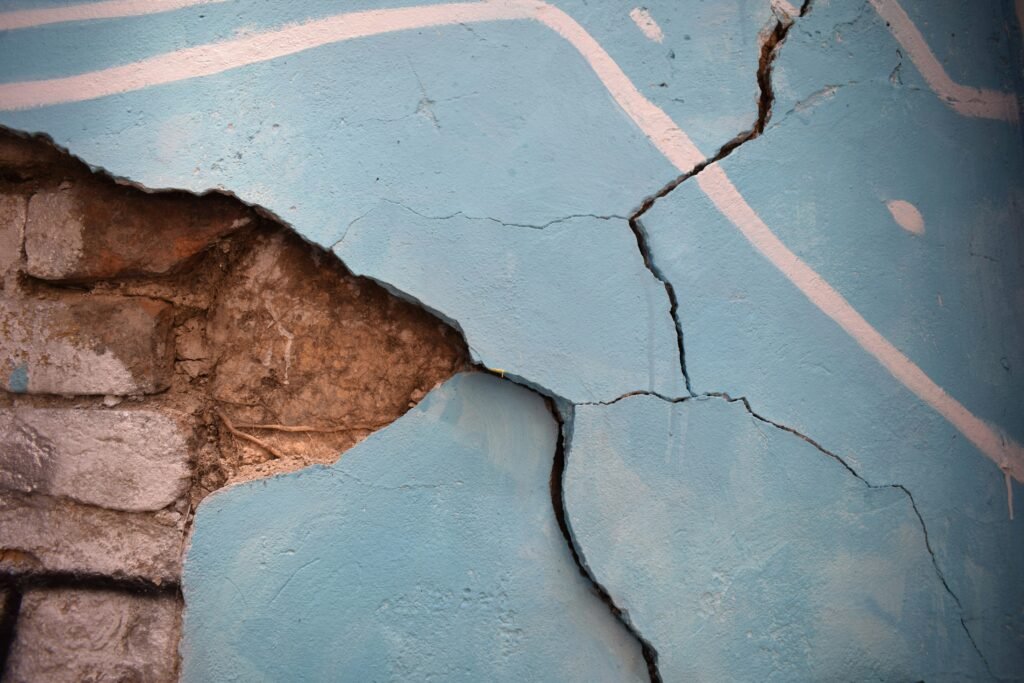
Foundation cracks are among the most recognizable warning signs, but not all cracks carry the same significance.
Concrete can develop small shrinkage cracks as it cures. Masonry walls may crack along mortar joints. Some cracks remain stable for years, while others indicate continuing movement.
Pay closer attention when a crack:
- Is widening
- Extends through several materials
- Appears after a storm, drought or construction project
- Allows water to enter
- Is accompanied by displacement
- Reappears after repair
- Develops alongside other structural changes
- Appears suddenly
Record the crack’s location, approximate width and date discovered. Photographs taken from the same position can help show whether it changes.
Do not fill a concerning crack before documenting and understanding its cause. A cosmetic repair can hide evidence without correcting the movement.
Horizontal Foundation Cracks
Horizontal cracks in basement or foundation walls may deserve prompt evaluation, especially when accompanied by inward movement or bowing.
Possible causes can include:
- Soil pressure
- Water pressure
- Frost
- Inadequate reinforcement
- Wall deterioration
- Changes in exterior grading
A horizontal crack does not prove that collapse is imminent, but it can indicate that a wall is being subjected to force from the surrounding soil.
Avoid placing heavy storage against a visibly bowed or displaced wall. A qualified structural professional should evaluate the condition.
Stair-Step Cracks in Masonry
Stair-step cracking follows the mortar joints between bricks or concrete blocks.
It may result from:
- Settlement
- Soil movement
- Differential support
- Moisture
- Expansion and contraction
- Deteriorated mortar
- Movement around an opening
A narrow, stable crack may require a different response from one that is widening or causing sections of masonry to separate.
The National Park Service recommends inspecting masonry for cracking, bowing, leaning, bulging and mortar deterioration. National Park Service masonry guidance
Vertical Cracks
Vertical cracks can develop from concrete shrinkage, settlement or other movement.
Their significance depends on:
- Width
- Location
- Depth
- Displacement
- Water entry
- Rate of change
- Foundation type
- Other symptoms
A narrow vertical crack that remains unchanged may be less concerning than a crack with visible separation or one that grows over time.
Do not assume the direction of a crack alone determines whether it is structural.
Diagonal Cracks
Diagonal cracks may appear near:
- Windows
- Doors
- Foundation corners
- Changes in wall height
- Openings
- Building additions
These cracks can be associated with stress concentrations or differential movement.
The surrounding condition matters. A diagonal crack combined with a misaligned opening, uneven floor or exterior masonry separation deserves closer evaluation.
Cracks That Continue to Grow
A changing crack is generally more informative than an unchanged one.
Warning signs of active movement can include:
- Increasing width
- New branching
- Separation across the crack
- Fresh edges
- Repeated failure of patching
- New nearby cracks
- Doors or windows changing at the same time
Do not rely on memory when monitoring a crack. Use dated photographs and a fixed reference point.
Crack-monitoring devices may be helpful in some situations, but their readings should be interpreted by someone qualified to evaluate the structure.
Bowing or Leaning Foundation Walls
A wall that curves, bulges or leans may be under pressure or may have lost part of its structural capacity.
Look for:
- A horizontal crack
- Inward movement
- Separation at corners
- Displaced masonry
- Gaps at the top of the wall
- Floor framing pulling away
- Water entry
- Previous reinforcement or patching
Bowing is different from a cosmetic surface irregularity.
Do not attempt to push, brace or straighten a foundation wall without an engineered plan. Improper stabilization can transfer loads and create new damage.
Uneven or Sloping Floors
Some older homes have floors that are not perfectly level. A gradual, long-standing slope may reflect historic settlement rather than current failure.
Further investigation may be appropriate when:
- The slope is newly noticeable.
- Floors change over a short period.
- Furniture begins leaning.
- Floor finishes separate.
- Bouncy or soft areas develop.
- Doors become misaligned.
- Cracks appear in walls or foundations.
- Supports in the basement or crawl space look displaced.
Uneven floors can also result from damaged joists, moisture, inadequate beams, altered supports or poor original construction.
A foundation should not be diagnosed from floor slope alone.
Doors That Stick or No Longer Close Properly
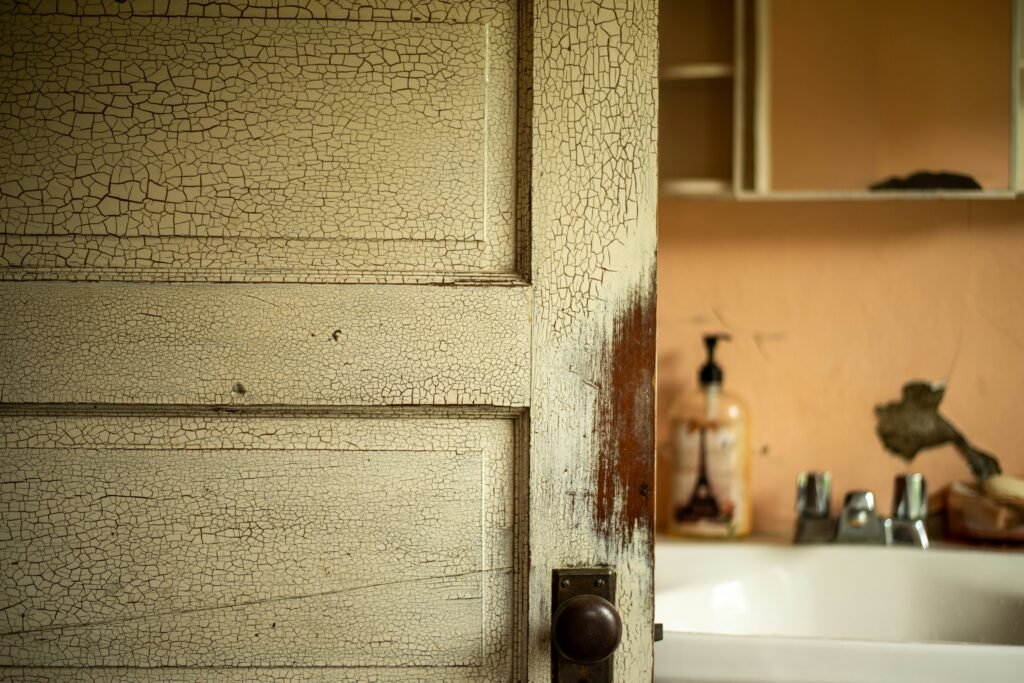
Doors may stick because of humidity, loose hinges, paint buildup or minor alignment problems. They can also reflect structural movement.
Pay attention when:
- Several doors change at the same time.
- A door swings open or closed by itself.
- The frame appears out of square.
- Gaps develop around the door.
- The latch no longer aligns.
- Cracks appear above the opening.
- The problem worsens over time.
Check simple causes first, but do not repeatedly trim a door when the surrounding frame continues moving.
Windows That Become Difficult to Operate
Windows may stick because of paint, debris, damaged hardware or moisture-swollen frames.
Possible movement-related signs include:
- Several windows becoming difficult to open
- Uneven gaps
- Frames visibly changing shape
- Cracked glass without obvious impact
- Separation between frames and walls
- New cracks at window corners
A single old window may need ordinary repair. Similar changes across several openings can indicate a broader issue.
Cracks Above Doors and Windows
Cracks often develop near openings because those areas concentrate stress.
Small finish cracks may be cosmetic, particularly where drywall joints meet. More concerning patterns may include:
- Repeated diagonal cracking
- Widening cracks
- Separation through trim and wall material
- Cracks accompanied by misalignment
- Similar cracks at several openings
- Cracks that return after repair
Determine whether the crack affects only the finish or continues into masonry or structural material.
Gaps Between Walls, Floors and Ceilings
Separation can develop where building surfaces meet.
Look for:
- Gaps between walls and ceilings
- Baseboards separating from flooring
- Cabinets pulling away from walls
- Trim opening at joints
- Countertops separating from backsplashes
- Walls separating at corners
- Exterior walls pulling from connected structures
Seasonal changes can create small gaps in some materials. A growing or widespread separation deserves investigation.
Cracked or Loose Floor Tiles
Rigid finishes do not tolerate much movement.
Foundation or subfloor movement may contribute to:
- Cracked tiles
- Repeated grout cracking
- Tiles becoming loose
- Long cracks crossing several tiles
- Uneven floor surfaces
Tile damage can also result from impact, installation problems or an inadequate underlayment.
The pattern and associated symptoms matter more than one broken tile.
Cracks in Interior Drywall or Plaster
Interior cracks may be caused by:
- Ordinary settlement
- Drying materials
- Seasonal movement
- Poor joint finishing
- Roof movement
- Framing changes
- Foundation movement
Watch for cracks that:
- Become wider
- Return after repair
- Run diagonally from openings
- Cross ceilings and walls
- Appear in several rooms
- Accompany sticking doors or sloping floors
- Show visible displacement
Decorative repairs should wait until an active underlying problem has been evaluated.
Exterior Brick or Masonry Cracks
Inspect exterior masonry for:
- Stair-step cracks
- Vertical separation
- Cracked bricks
- Widened mortar joints
- Bulging
- Leaning
- Separation at corners
- Gaps around doors or windows
- Cracks where an addition meets the original home
Brick or stone may be structural, part of a cavity wall or a nonstructural veneer. The repair approach depends on how the wall was built.
Replacing mortar or sealing the visible crack may not correct movement below it.
Chimney Movement
A chimney that separates from the house may have its own foundation or support problem.
Warning signs include:
- A widening gap between the chimney and wall
- Cracks around the chimney
- Leaning
- Damaged flashing
- Interior separation near a fireplace
- Movement at the base
Chimneys are heavy and can create serious hazards when unstable.
Do not enter the area below visibly loose masonry. Seek prompt professional evaluation.
Porch, Step or Garage Separation
Exterior structures may settle independently from the main house.
Look for:
- Steps pulling away
- Porches sinking
- Garage slabs cracking
- Columns becoming misaligned
- Rooflines separating
- Gaps where additions connect
- Water collecting in newly formed low areas
Some separation between independently supported structures can occur without threatening the main foundation.
However, movement can still create water entry, trip hazards and structural concerns.
Cracks in Concrete Slabs
Concrete slabs may crack because of:
- Shrinkage
- Soil movement
- Poor base preparation
- Tree roots
- Water
- Temperature change
- Excessive loading
More concerning signs may include:
- Vertical displacement across a crack
- Several connected cracks
- Widening
- Heaving
- Sinking
- Movement near load-bearing walls
- Plumbing problems beneath the slab
A surface coating will not correct soil or plumbing conditions below the concrete.
Water in the Basement or Crawl Space
Water near a foundation can contribute to soil movement, material deterioration and indoor moisture.
Possible signs include:
- Standing water
- Damp walls
- Efflorescence
- Musty odors
- Mold-like growth
- Rust
- Wet insulation
- Water stains
- Rot
- Sump-pump activity
- Soil erosion
Water entry does not automatically mean the foundation is structurally failing. It does indicate a moisture or drainage problem that should be addressed.
The Environmental Protection Agency recommends maintaining gutters and ensuring that the ground slopes away from the foundation so water does not collect near the building. EPA moisture-control guidance
Soil Pulling Away From the Foundation
During dry weather, certain soils can shrink and create a visible gap beside the foundation.
This may indicate:
- Significant drying
- Expansive soil
- Changing moisture conditions
- Erosion
- Poor grading
Do not automatically flood the gap with water. Sudden or uneven watering can create additional soil movement in some conditions.
A geotechnical or structural professional can recommend an appropriate moisture-management strategy for the local soil.
Water Pooling Near the House
Standing water can saturate soil near the foundation and increase pressure on below-grade walls.
Check for:
- Soil sloping toward the house
- Clogged gutters
- Short downspouts
- Sunken landscaping
- Blocked drainage
- Irrigation directed at the foundation
- Leaking exterior faucets
- Broken underground pipes
- Nearby hard surfaces draining toward the house
EPA moisture-control guidance explains that site and foundation drainage should move water away from the structure. EPA building moisture guidance
Drainage work should account for neighboring properties, utilities and local stormwater rules.
Gutters and Downspouts Not Working Properly
Roof drainage can affect the foundation.
Warning signs include:
- Overflowing gutters
- Loose downspouts
- Water discharged beside the wall
- Eroded soil
- Basement dampness after rain
- Staining on the foundation
- Settlement below discharge points
Cleaning and repairing drainage may prevent further moisture exposure, but it will not reverse existing structural movement.
Plumbing Leaks Beneath or Near the Foundation
A leaking supply or drain line can alter soil moisture and contribute to settlement or erosion.
Possible clues include:
- Unexpected water use
- Warm areas on a slab
- Sounds of running water
- Damp flooring
- Reduced water pressure
- Sewer odors
- Repeated drain problems
- Water appearing without rain
- Soil remaining wet near the house
A plumber may be needed to test the system. A structural professional may then evaluate any resulting movement.
Crawl-Space Support Problems
Foundation-related symptoms can sometimes originate from beams, posts or floor supports inside the crawl space.
Look for:
- Leaning posts
- Improvised supports
- Rot
- Damaged beams
- Soil contact with wood
- Missing connections
- Cracked masonry piers
- Moisture
- Pest damage
- Recent alterations
Do not crawl beneath a visibly unstable floor or enter a contaminated space.
Temporary-looking supports should not be assumed to be safe simply because they have been in place for years.
Previous Foundation Repairs
Evidence of an earlier repair does not necessarily mean the house still has a problem. It does mean the repair should be understood and documented.
Look for:
- Patched cracks
- Steel braces
- Wall anchors
- Support piers
- Added posts
- New concrete beside old concrete
- Drainage systems
- Waterproofing
- Structural plates
- Leveling compounds
Ask for:
- Engineering reports
- Permits
- Contractor invoices
- Warranties
- Inspection approvals
- Monitoring records
- Transfer requirements
A cosmetic patch without supporting documentation provides less assurance than a properly designed and verified repair.
Signs That Need Prompt Professional Attention
Arrange a timely structural evaluation when you notice:
- A bowing or leaning foundation wall
- Sudden or rapidly widening cracks
- Visible displacement across a crack
- Several doors and windows changing together
- Significant floor movement
- Separation between major building sections
- A leaning chimney
- Sagging structural components
- Cracks accompanied by water entry
- Repeated failure of previous repairs
- Movement after flooding, earthquake or excavation
- Unstable stairs, porches or exterior walls
Leave an area when there is concern about falling masonry, collapse, exposed utilities or severe structural instability.
Who Should Evaluate Foundation Problems?
A licensed structural engineer can provide an independent assessment of the building’s structure and recommend whether monitoring, repair or additional investigation is appropriate.
Depending on the situation, the evaluation may also involve:
- A geotechnical engineer
- A plumber
- A drainage professional
- A surveyor
- A qualified foundation contractor
- A building inspector
- A masonry specialist
A repair contractor can be valuable when performing approved work, but a contractor selling one particular repair system may not provide the same independent analysis as an engineer.
For significant or disputed movement, consider obtaining the diagnosis before requesting repair proposals.
What a Foundation Evaluation May Include
A professional may examine:
- Foundation type
- Crack patterns
- Wall alignment
- Floor elevations
- Framing
- Drainage
- Soil conditions
- Moisture
- Plumbing
- Previous repairs
- Building additions
- Nearby trees
- Exterior grades
- Roof and floor loads
The professional may recommend:
- Monitoring
- Drainage correction
- Plumbing repair
- Soil investigation
- Structural reinforcement
- Underpinning
- Masonry repair
- No immediate structural work
Not every visible crack requires an expensive foundation system.
How to Monitor a Crack
If a qualified professional determines that monitoring is appropriate:
- Photograph the crack with a scale.
- Record the date.
- Mark reference points where appropriate.
- Note weather and moisture conditions.
- Check doors, floors and nearby finishes.
- Avoid covering the crack.
- Follow the recommended review schedule.
- Report sudden changes promptly.
Do not use informal monitoring as a substitute for evaluation when the wall is displaced, bowing or otherwise unsafe.
Can Drainage Repairs Fix Foundation Problems?
Improving drainage can reduce continuing moisture exposure and soil pressure, but it may not reverse existing movement.
Drainage work might involve:
- Gutter repair
- Downspout extension
- Grading
- Surface drainage
- Foundation drains
- Sump systems
- Irrigation changes
- Repairing underground pipes
The correct approach depends on climate, soil, foundation design and local stormwater requirements.
Redirecting water carelessly can create problems elsewhere.
Should You Seal Foundation Cracks?
Sealing may be appropriate for certain stable, nonstructural cracks after the cause has been evaluated.
It may help control:
- Water entry
- Air leakage
- Pest entry
Sealant does not stabilize active movement or restore the strength of a displaced wall.
The material and technique should match the foundation and purpose. An inappropriate rigid repair may crack again, while a flexible seal may hide continuing movement.
Foundation Warning Signs Checklist
| Area | What to watch for |
|---|---|
| Foundation walls | Growing, displaced, horizontal or stair-step cracks |
| Basement | Water, bowing walls and damaged supports |
| Crawl space | Rot, leaning posts and cracked piers |
| Floors | New slopes, soft areas or sudden movement |
| Doors | Several sticking or becoming misaligned |
| Windows | Uneven gaps and difficulty operating |
| Interior walls | Recurring diagonal cracks and separation |
| Exterior masonry | Bulging, leaning and widening cracks |
| Chimney | Separation or visible leaning |
| Slabs | Heaving, sinking and vertical displacement |
| Drainage | Pooling water and erosion |
| Soil | Gaps, settlement and changing grade |
| Plumbing | Unexplained water use or persistent wet soil |
Foundation Problems When Buying a House
Potential buyers should not rely only on a seller’s description or a general visual impression.
When warning signs are present:
- Review seller disclosures.
- Ask about previous movement.
- Request engineering reports.
- Review permits and warranties.
- Examine repair records.
- Obtain an independent inspection.
- Consider a structural evaluation.
- Investigate drainage and plumbing.
- Understand warranty-transfer conditions.
- Estimate the complete repair scope before proceeding.
A previous foundation repair is not automatically a reason to reject the property. A well-documented engineered repair may provide more information than an uninvestigated crack in another home.
The key questions are what caused the movement, whether it remains active and how the repair was designed and verified.
Frequently Asked Questions
Are all foundation cracks serious?
No. Some cracks result from shrinkage or minor long-term movement. Width, direction, displacement, growth and surrounding symptoms help determine whether further evaluation is needed.
What foundation cracks are most concerning?
Cracks that widen, show displacement, accompany bowing or appear with other structural changes generally deserve prompt attention. Direction alone does not determine severity.
Can sticking doors indicate foundation movement?
They can, especially when several doors change at the same time. Humidity, hinges and frame problems are also common causes.
Do uneven floors always mean foundation trouble?
No. Uneven floors may result from historic settlement, damaged framing, moisture or original construction. New or increasing movement should be investigated.
Can tree roots damage a foundation?
Roots and changes in soil moisture around trees may contribute to movement in some conditions. The effect depends on soil, foundation type, distance and tree species.
Does basement water mean the foundation is failing?
Not necessarily. Basement water may result from drainage, plumbing, groundwater or condensation. It should still be corrected because prolonged moisture can damage materials.
How quickly do foundation problems become worse?
Some movement stabilizes, while other conditions progress. Monitoring and professional evaluation are more reliable than predicting from appearance alone.
Can foundation repairs increase property value?
A properly designed and documented repair may reduce uncertainty and protect marketability. It does not guarantee that the property’s value will increase by the amount spent.
Should a foundation contractor or structural engineer inspect first?
For significant or uncertain structural movement, an independent structural engineer can diagnose the condition before contractors provide repair proposals.
Look for Patterns and Changes
A single narrow crack or sticking door may have a simple explanation. Concern increases when multiple symptoms appear together or conditions continue changing.
Document cracks, inspect drainage and address active plumbing or water problems promptly. Avoid repeatedly covering visible damage without investigating why it returns.
An independent structural evaluation can determine whether the condition needs monitoring, moisture correction or structural repair. Early investigation provides a better chance of addressing the underlying cause before movement damages more of the house.
Property Note: This article provides general educational information and does not constitute structural, engineering, geotechnical, legal or home-inspection advice. Foundation behavior, repair requirements and building codes vary by property, soil and location. Avoid unstable areas and consult qualified local professionals when cracks are growing, walls are bowing or structural movement is suspected.