Water damage is not always easy to see. A leaking pipe may remain concealed inside a wall, roof water may soak attic insulation and moisture may spread beneath flooring before a visible stain appears.
Hidden water damage can affect finishes, insulation, electrical components and structural materials. It can also create conditions that support mold growth.
Recognizing the signs of hidden water damage can help homeowners investigate problems earlier and help buyers identify concerns that deserve closer professional evaluation.
No single smell, stain or meter reading proves that serious damage exists. The source, extent and duration of the moisture must be determined before the appropriate repair can be planned.
What Is Hidden Water Damage?
Hidden water damage is moisture-related deterioration located behind or beneath finished surfaces or in areas that are not routinely inspected.
It may occur:
- Behind drywall
- Under flooring
- Beneath carpet and padding
- Inside cabinets
- Above ceilings
- Under roof materials
- In attics
- In crawl spaces
- Around windows and doors
- Behind showers and tubs
- Inside utility chases
- Under appliances
A home may appear dry at the surface while absorbent materials remain damp underneath.
The Environmental Protection Agency notes that hidden mold may occur on the back of drywall, wallpaper or paneling, above ceiling tiles and beneath carpet and padding. EPA mold and moisture guidance
Common Sources of Hidden Water Damage
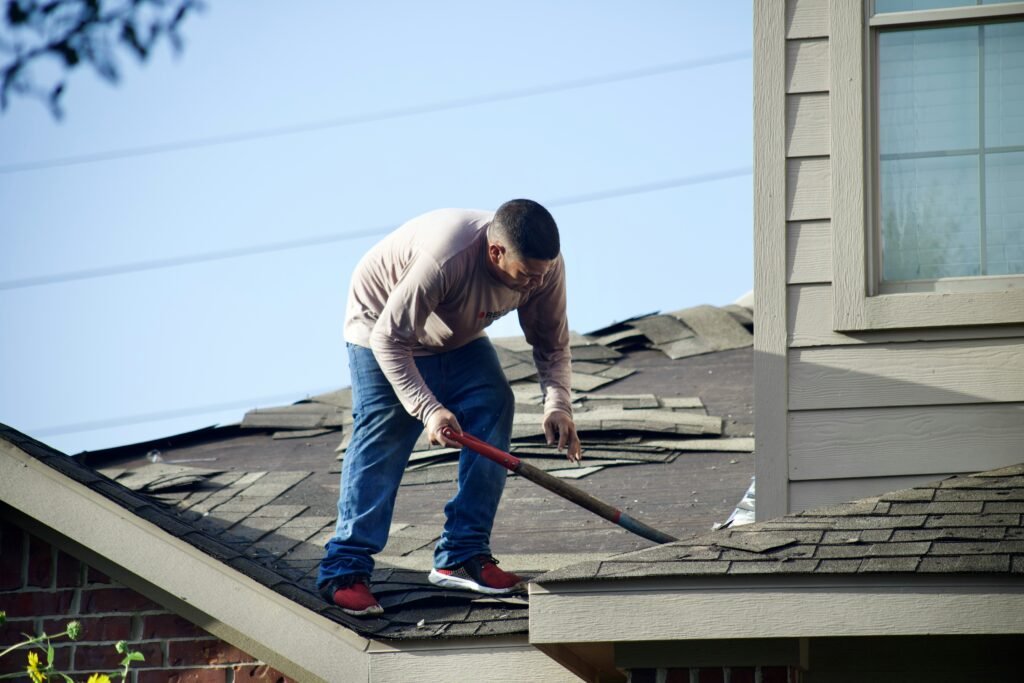
Roof Leaks
Roof water may enter through damaged:
- Shingles
- Flashing
- Roof penetrations
- Valleys
- Skylights
- Chimneys
- Vents
- Underlayment
Water does not always drip directly below the opening. It can travel along roof framing, fasteners and other materials before becoming visible.
A stain in one room may originate from a roof defect several feet away.
Plumbing Leaks
Leaks can develop in:
- Supply pipes
- Drainpipes
- Fixture connections
- Shower valves
- Tub drains
- Toilet seals
- Refrigerator supply lines
- Washing machine hoses
- Dishwasher connections
- Water heaters
A slow plumbing leak may remain concealed until paint begins bubbling, flooring changes shape or a musty smell develops.
Exterior Water Entry
Rain may enter around:
- Windows
- Doors
- Siding
- Masonry
- Utility penetrations
- Exterior joints
- Deck connections
- Poorly sealed additions
Exterior caulk may conceal the surface opening without addressing damaged flashing or drainage behind the wall.
Foundation and Basement Moisture
Water may enter through:
- Foundation cracks
- Floor-wall joints
- Basement floors
- Damaged waterproofing
- Poor exterior drainage
- High groundwater
- Failed sump systems
- Clogged drains
Moisture can also move through porous materials without producing an obvious flowing leak.
Condensation
Not every moisture problem comes from rain or plumbing.
Condensation can occur on cold:
- Pipes
- Windows
- Ducts
- Exterior walls
- Roof sheathing
- Basement surfaces
High indoor humidity, inadequate ventilation and temperature differences may contribute.
The correction for condensation can differ greatly from the correction for a plumbing or roof leak, so identifying the source is essential.
Heating and Cooling Equipment
Air-conditioning systems can create water problems when:
- Condensate drains clog
- Drain pans overflow
- Insulation deteriorates
- Ductwork sweats
- Equipment leaks
- Drain lines are installed improperly
Hidden moisture may develop around air handlers, inside closets, above ceilings or in attics.
Appliance Leaks
Dishwashers, refrigerators, washing machines and water heaters can leak slowly.
Water may remain hidden beneath:
- Cabinets
- Finished flooring
- Appliance trays
- Adjacent walls
- Subflooring
Damage may not appear until flooring lifts, odors develop or a lower-level ceiling becomes stained.
Musty or Earthy Odors
A persistent musty smell can be an early warning sign even when no moisture is visible.
Pay attention to odors in:
- Closets
- Cabinets
- Basements
- Bathrooms
- Laundry rooms
- Attics
- Rooms after rain
- Areas around plumbing
- Spaces behind furniture
EPA guidance explains that hidden mold may be suspected when a building smells moldy but the source cannot be seen, particularly when the property has a known history of water damage. EPA guide to mold, moisture and the home
A musty odor does not reveal the exact location or severity of a problem. It can also come from stored materials, poor ventilation or an inactive drain.
The source still needs to be investigated.
Stains on Walls or Ceilings
Water stains may appear:
- Yellow
- Brown
- Copper-colored
- Gray
- Dark at the edges
- Uneven or ring-shaped
A dry stain may indicate a previous leak, an intermittent problem or a repair that was completed without repainting.
Fresh paint over one small ceiling or wall area may deserve closer attention, particularly if the surrounding finish is older.
Ask:
- When did the stain appear?
- What caused it?
- Was the source repaired?
- Who completed the work?
- Are invoices or photographs available?
- Has moisture returned?
Do not assume that a dry surface means the underlying materials are undamaged.
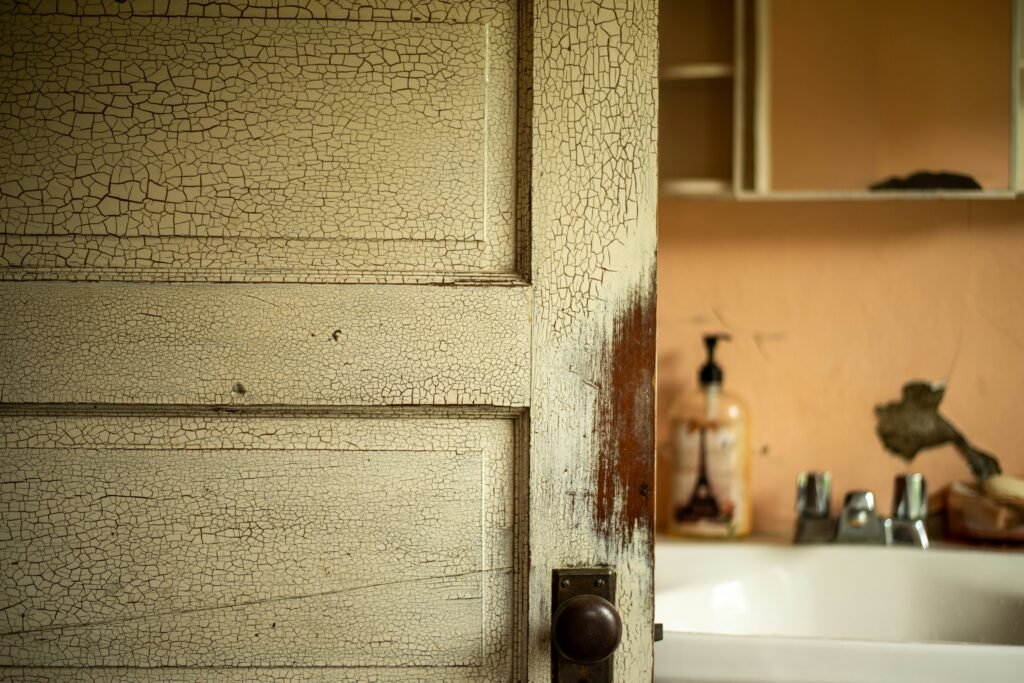
Peeling, Bubbling or Blistering Paint
Moisture behind paint can interfere with adhesion.
Warning signs include:
- Bubbling paint
- Peeling layers
- Blisters
- Cracked drywall tape
- Soft plaster
- Rippling wallpaper
- Uneven patches
These conditions can also result from poor preparation or ordinary aging. Location and recurrence provide useful context.
EPA guidance specifically identifies rippling wall coverings, cracked drywall tape and peeling paint as conditions that should be investigated for possible water damage. EPA mold course
Warped or Swollen Materials
Absorbent building materials can change shape after becoming wet.
Look for:
- Swollen baseboards
- Bowed drywall
- Warped cabinet panels
- Lifting laminate
- Cupped wood flooring
- Loose tiles
- Buckled carpet
- Sagging ceilings
- Doors that suddenly stick
Moisture is not the only possible cause. Heat, installation problems and structural movement can produce similar changes.
A professional evaluation may be needed when several symptoms appear together.
Soft Walls, Floors or Ceilings
Softness may indicate that drywall, subflooring or wood has deteriorated.
Do not press heavily against a bulging ceiling or weakened surface. Wet materials may fall, and concealed electrical components may create additional hazards.
Soft areas around toilets, tubs, showers, dishwashers and exterior doors deserve prompt attention.
Avoid using a damaged bathroom fixture or floor until its stability is understood.
Unexplained Changes in Flooring
Water can remain hidden below finished floors.
Possible warning signs include:
- New squeaking
- Uneven sections
- Darkened wood
- Cupping
- Buckling
- Loose tiles
- Cracked grout
- Damp carpet
- Persistent odors
- White or powdery deposits
Flooring damage may continue after the visible surface dries if the subfloor remains wet.
A flooring replacement performed without drying and repairing the source can conceal rather than solve the problem.
Mold-Like Growth
Visible mold-like growth indicates that moisture is or was present.
It may appear:
- Black
- Green
- Brown
- White
- Gray
- Fuzzy
- Powdery
- Spotty
Color does not reliably determine the mold type or level of risk.
The EPA explains that visible mold generally does not require routine sampling merely to confirm that a moisture problem exists. The priority is to identify and correct the water source and address the affected material. EPA mold investigation guidance
Do not paint over mold-like growth without addressing the moisture. It is likely to return if the underlying condition remains.
High Indoor Humidity
Persistent humidity can create condensation on cold surfaces and support mold growth.
Possible clues include:
- Condensation on windows
- Damp-feeling rooms
- Musty odors
- Mold around vents
- Moisture on pipes
- Swollen wood
- Frequent bathroom condensation
- Closets that feel damp
The Centers for Disease Control and Prevention recommends controlling indoor humidity and fixing roof, wall and plumbing leaks to limit mold growth. CDC mold guidance
Humidity measurements can help identify patterns, but one reading does not diagnose the source.
Unexplained Increase in Water Use
A sudden increase in metered water use may indicate:
- A running toilet
- Hidden supply-line leak
- Irrigation problem
- Exterior faucet leak
- Water-heater issue
- Underground pipe leak
Compare bills with prior periods while accounting for seasonal use and household changes.
When all fixtures are off, unexpected movement at a water meter may suggest water is still flowing. Procedures and meter types vary, so contact the utility or a plumber if you are uncertain how to check safely.
A leak on a drain line may not increase metered water use in the same obvious way.
Sound of Running or Dripping Water
Water movement when fixtures are not operating deserves investigation.
Listen near:
- Walls
- Utility rooms
- Bathrooms
- Kitchens
- Water heaters
- Basements
- Ceilings below plumbing
- Floors above crawl spaces
Pipes can also make sounds as they expand, contract or respond to pressure changes. A noise does not automatically establish a leak.
The combination of sound, staining, moisture or unexpected water use creates a stronger reason for evaluation.
Low Water Pressure
A noticeable change in water pressure can have several causes, including:
- Supply-line leaks
- Mineral buildup
- A failing pressure regulator
- Utility work
- Partly closed valves
- Fixture problems
- Frozen or damaged pipes
Low pressure throughout the house may require broader investigation than low pressure at one faucet.
Do not assume that low pressure proves hidden water damage, but treat a sudden unexplained change as a reason to investigate.
Damaged Caulk, Grout or Shower Seals
Water can enter behind tubs, showers and sinks through failed joints.
Look for:
- Missing caulk
- Cracked grout
- Loose tiles
- Gaps at tub edges
- Damaged shower-door seals
- Soft walls near fixtures
- Staining below bathrooms
- Loose flooring around toilets
Replacing visible caulk can help prevent new water entry, but it does not dry or repair materials already damaged behind the surface.
Loose tile or a soft wall may indicate that the supporting material requires evaluation.
Rust, Corrosion or Mineral Deposits
Corrosion can suggest repeated moisture exposure.
Check:
- Pipe connections
- Water heaters
- Valves
- Fasteners
- Metal framing
- Appliance connections
- Basement equipment
- Exterior fixtures
White or powdery mineral deposits on masonry can indicate that moisture has moved through the material.
These deposits do not always mean serious structural damage, but they can identify an area where water movement deserves attention.
Insect or Pest Activity
Certain pests are attracted to damp wood or hidden moisture.
Possible signs include:
- Damaged wood
- Insect activity near wet areas
- Droppings
- Nesting materials
- Soft structural components
- Repeated pests in one location
Pest treatment alone may not resolve the underlying moisture condition.
A qualified pest or building professional may need to determine whether water damage and biological deterioration are present.
Recently Repaired or Repainted Areas
A patch is not automatically suspicious. Homes require ordinary repairs and decorating.
However, ask questions when you see:
- New paint limited to one ceiling section
- Mismatched drywall texture
- New flooring in only part of a room
- Recently replaced baseboards
- New cabinet bottoms
- Fresh sealant around an older fixture
- New insulation below an otherwise aging roof
The purpose is not to assume concealment. It is to understand what happened, what caused it and whether the source was corrected.
Signs of Hidden Water Damage in the Attic
Attics can reveal roof and ventilation problems before they appear inside the living space.
From a safe access point, look for:
- Dark roof sheathing
- Water stains
- Wet insulation
- Rusted fasteners
- Mold-like growth
- Daylight through the roof
- Damp odors
- Damaged vents
- Bathroom fans terminating in the attic
- Compressed or displaced insulation
The Department of Energy notes that indoor moisture entering an attic can contribute to mold, rot and other moisture problems. DOE durable-attic guidance
Do not walk on surfaces that are not designed to support weight. Attics may contain exposed wiring, nails, pests and weak ceiling materials.
Signs in Basements and Crawl Spaces
Inspect accessible areas for:
- Standing water
- Damp soil
- Musty odors
- Efflorescence
- Rust
- Rot
- Wet insulation
- Foundation staining
- Condensation on pipes
- Damaged vapor barriers
- Active sump pumps
- Water lines on walls
Crawl spaces can contain structural, electrical, biological and access hazards. Do not enter a flooded, contaminated or unstable space.
Water in a basement may come from surface drainage, groundwater, plumbing, condensation or several sources at once.
Signs Around Windows and Doors
Exterior openings are common locations for water entry.
Check for:
- Peeling paint
- Swollen trim
- Stained drywall
- Soft wood
- Loose caulk
- Condensation
- Mold-like growth
- Rusted hardware
- Damaged flashing
- Flooring changes below the opening
Condensation on the glass can reflect indoor humidity rather than an exterior leak. Water staining in the wall below a window may indicate an installation, flashing or drainage problem.
Avoid assuming that applying caulk to the interior will correct exterior water entry.
Signs Under Sinks and Inside Cabinets
Use a light to examine accessible cabinets.
Look for:
- Dampness
- Stains
- Swollen materials
- Corrosion
- Mineral deposits
- Mold-like growth
- Odors
- Warped cabinet bottoms
- Signs of previous patching
Run the faucet and watch accessible supply and drain connections.
Do not disturb plumbing components during an ordinary visual check. A fitting that appears dry may begin leaking if moved.
Signs Around Appliances
Examine the accessible area around:
- Dishwashers
- Refrigerators with water lines
- Washing machines
- Water heaters
- Air-conditioning equipment
- Water softeners
Look for:
- Rust
- Floor discoloration
- Damaged hoses
- Dampness
- Warped flooring
- Loose connections
- Musty smells
- Mineral deposits
Pulling out a heavy appliance can damage flooring, tip the appliance or disturb connections. Use professional help if the area cannot be inspected safely.
Can a Moisture Meter Find Hidden Water Damage?
A moisture meter can help identify areas that may contain more moisture than surrounding materials.
However, readings can be affected by:
- Material type
- Metal behind the surface
- Salts
- Temperature
- Instrument settings
- Calibration
- Surface conditions
- User technique
A high reading is a clue, not a complete diagnosis. A low reading does not always rule out past damage or moisture outside the device’s detection area.
Results should be interpreted alongside visual evidence, building design and other investigation.
Can a Thermal Camera Find a Leak?
Thermal imaging can show temperature differences that may be associated with moisture.
Similar patterns can also result from:
- Missing insulation
- Air leakage
- Ductwork
- Electrical components
- Sunlight
- Heating equipment
- Different building materials
A thermal image does not directly show water. It identifies temperature patterns that may justify further testing.
The timing and environmental conditions can significantly affect the result.
Should You Test the Air for Mold?
Routine air testing is not always necessary when mold or water damage is already visible.
EPA guidance explains that visible mold often does not require sampling because the main priority is correcting the moisture source and cleaning or removing affected materials. EPA guidance on mold sampling
Testing may be considered when:
- The source is unclear
- A qualified professional recommends it
- Health concerns require investigation
- A dispute or legal matter makes documentation necessary
- Verification is needed after certain remediation work
A test without a proper building investigation may provide numbers without identifying where the moisture is coming from.
What to Do If You Suspect Hidden Water Damage
Stop Active Water When It Is Safe
If a plumbing leak is active and you know how to do so safely, shut off the affected fixture or main water supply.
Do not enter standing water when electrical hazards may be present. Contact emergency services, the utility or an appropriate professional when the situation involves:
- Electricity
- Gas
- Sewage
- Structural instability
- Contaminated floodwater
- A collapsing ceiling
- Significant flooding
Document the Condition
Take photographs or video showing:
- The affected area
- Visible staining
- Water source where known
- Damaged contents
- Meter readings
- Dates
- Changes over time
Keep records of:
- Repair requests
- Contractor visits
- Insurance communication
- Weather events
- Utility bills
- Previous repairs
Documentation can help professionals understand the progression and may support an insurance claim.
Identify and Repair the Source
Cleaning a stain or drying the surface is not enough if water continues to enter.
The solution may involve:
- Plumbing repair
- Roof repair
- Window or flashing correction
- Drainage improvement
- Condensate-line service
- Waterproofing
- Ventilation changes
- Appliance repair
- Foundation evaluation
Do not begin cosmetic reconstruction until the source has been corrected and affected materials are sufficiently dry.
Dry the Area Promptly
Wet materials should be addressed quickly.
The CDC advises drying a home fully and promptly after water exposure and fixing leaks in roofs, walls and plumbing. CDC mold guidance
Drying may require:
- Water extraction
- Air movement
- Dehumidification
- Removal of wet porous materials
- Opening selected assemblies
- Controlled professional drying
Large, contaminated or concealed losses require specialized procedures.
Determine Whether Materials Can Be Saved
The answer depends on:
- Type of water
- Duration of exposure
- Material
- Extent of saturation
- Mold growth
- Structural condition
- Ability to dry the area
- Health and safety concerns
Nonporous surfaces may be easier to clean than saturated drywall, insulation, carpet padding or composite wood.
Do not close wet material inside a wall or floor.
Contact the Appropriate Professional
The type of specialist depends on the suspected source.
You may need a:
- Plumber
- Roofer
- Home inspector
- Building-envelope professional
- Structural engineer
- Electrician
- Heating and cooling professional
- Water-damage restoration professional
- Mold-remediation professional
- Insurance adjuster
Avoid hiring someone based only on an offer for free testing. Ask how the source will be identified, how the extent will be documented and whether the person recommending remediation also profits from the proposed work.
When Hidden Water Damage May Be an Emergency
Seek immediate assistance when there is:
- Water near electrical equipment
- Sewage contamination
- A sagging or bulging ceiling
- Structural movement
- Active flooding
- Contaminated stormwater
- Major roof failure
- A burst pipe
- Fuel or combustion equipment exposed to water
- A strong electrical or burning odor
Leave unsafe areas and do not attempt to inspect concealed spaces yourself.
Hidden Water Damage When Buying a House
A standard viewing may reveal warning signs, but it cannot confirm the condition inside every wall or floor.
Before purchasing, consider:
- Reviewing seller disclosures
- Asking about previous leaks
- Requesting repair documentation
- Examining insurance or permit information where available
- Scheduling a professional inspection
- Investigating suspicious stains
- Reviewing roof and plumbing ages
- Checking the property after rain where possible
- Obtaining specialized evaluations when recommended
A freshly painted wall, new flooring or repaired ceiling is not necessarily a problem. Ask what was changed and why.
Do not waive important investigation solely because the visible surface looks dry.
Hidden Water Damage Checklist
| Area | Warning signs |
|---|---|
| Walls and ceilings | Stains, bubbles, softness and repaired patches |
| Floors | Cupping, buckling, stains and unusual movement |
| Windows and doors | Swelling, peeling paint and soft trim |
| Bathrooms | Loose tiles, failed caulk and soft flooring |
| Kitchen | Swollen cabinets, appliance leaks and odors |
| Attic | Wet insulation, stained sheathing and rust |
| Basement | Efflorescence, dampness and water lines |
| Crawl space | Wet soil, rot, damaged insulation and odors |
| HVAC equipment | Overflowing pans and clogged condensate lines |
| Plumbing | Corrosion, mineral deposits and unexplained sounds |
| Exterior | Failed flashing, poor drainage and damaged siding |
| Utilities | Unexpected increase in water use |
Frequently Asked Questions
What is the most common sign of hidden water damage?
There is no single universal sign. Musty odors, stains, peeling paint, warped materials and unexpected water use are common clues.
Can walls be wet without feeling wet?
Yes. Moisture may remain behind the surface or inside insulation while the visible wall feels dry.
Does a water stain mean there is an active leak?
Not necessarily. It could indicate an old repair, intermittent leak or current moisture. The area should be investigated rather than classified by appearance alone.
Can you smell hidden water damage?
A musty or earthy odor may indicate damp materials or mold, but smell alone cannot determine the exact source or extent.
Will a home inspection find every hidden leak?
No inspection can guarantee that every concealed problem will be found. Inspectors evaluate accessible areas and may recommend specialized testing when warning signs appear.
Does mold always mean there is a plumbing leak?
No. Mold can result from roof leaks, exterior water entry, condensation, high humidity, flooding or plumbing problems.
Can you paint over a water stain?
The source should be repaired and the material should be dry before cosmetic work. Painting alone can conceal the evidence without correcting the problem.
Is hidden water damage covered by insurance?
Coverage depends on the cause, timing, policy language, exclusions and reporting requirements. Contact the insurer promptly and avoid assuming that every type of water damage is covered.
Investigate the Source, Not Just the Stain
Hidden water damage often reveals itself through a combination of clues: odors, stains, warped materials, high humidity, corrosion or unusual water use.
The visible symptom may be far from the actual source. Roof water can travel along framing, and a plumbing leak can spread beneath floors before appearing in another room.
Document the condition, stop active water when safe and identify the source before completing cosmetic repairs. Prompt investigation can reduce the amount of material affected and help prevent the same damage from returning.
Property Note: This article provides general educational information and does not constitute structural, environmental, medical, insurance or home-inspection advice. Water-damage risks and repair requirements vary by property and location. Avoid unsafe areas and consult qualified professionals when moisture involves electricity, sewage, structural concerns, extensive mold or concealed building systems.