
A home requires regular attention even when nothing appears to be wrong. Small leaks, clogged drainage, damaged seals and neglected equipment can gradually develop into expensive repairs.
Annual home maintenance helps identify deterioration early, improve safety and extend the useful life of major systems. However, not every task needs to be completed on the same day or even at the same frequency.
Some jobs should be performed monthly, seasonally or according to the manufacturer’s instructions. Others may require a qualified professional because they involve roofing, electricity, gas, combustion equipment or structural safety.
Use an annual home maintenance checklist as a planning tool, then adapt it to your property’s age, construction, climate and equipment.
Inspect the Roof From a Safe Location
The roof protects the home from rain, snow, wind and sunlight. Damage can allow moisture to enter the attic, walls and ceilings before a leak becomes obvious indoors.
From the ground or another safe viewing location, look for:
- Missing or displaced shingles
- Curling or cracked materials
- Sagging sections
- Damaged flashing
- Rusted metal
- Debris collecting in valleys
- Moss or heavy vegetation
- Staining below roof edges
- Damaged vents
- Signs of animal activity
Also check ceilings and attic areas for water stains, damp insulation and visible daylight.
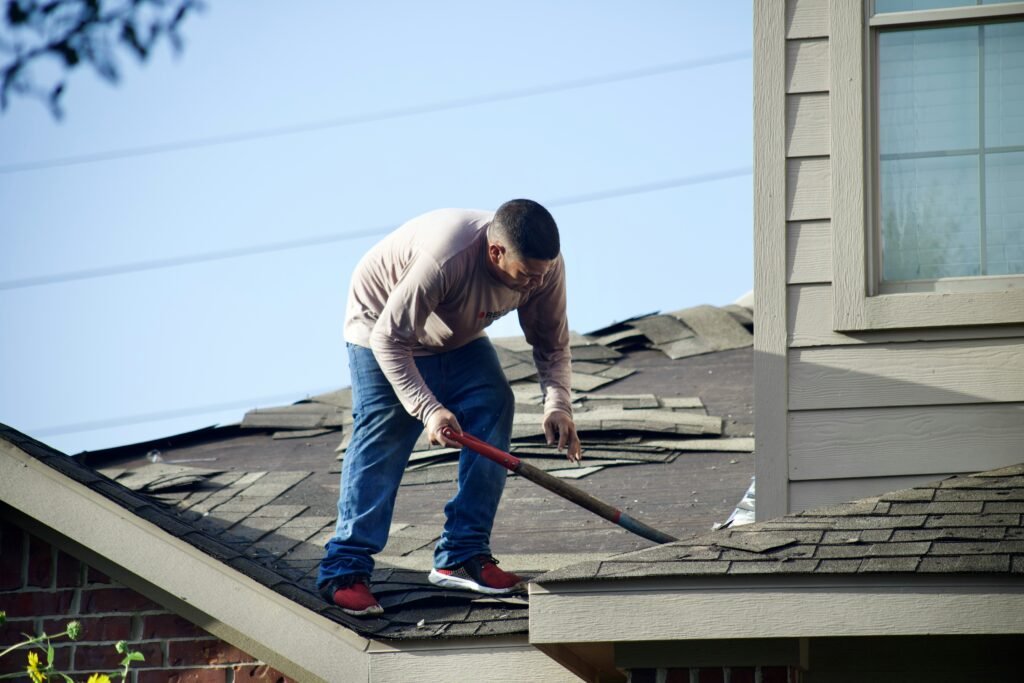
Do not walk on the roof unless you have appropriate training, equipment and a safe reason to do so. Steep, wet, damaged or unfamiliar roofs should be inspected by a qualified professional.
A roof may need inspection after a severe storm even if the annual check was recently completed.
Clean and Inspect Gutters
Gutters and downspouts direct roof water away from the house. When they are clogged, loose or poorly positioned, water can overflow near walls and foundations.
Check for:
- Leaves and debris
- Standing water
- Loose connections
- Leaks at seams
- Sagging sections
- Downspouts pulling away
- Water staining on siding
- Soil erosion below discharge points
Make sure water is directed away from the foundation without creating problems for neighboring properties or public areas.
The U.S. Environmental Protection Agency recommends cleaning and repairing roof gutters regularly and ensuring that the ground directs water away from the foundation. EPA moisture-control guidance
Homes surrounded by trees or exposed to frequent storms may need gutter cleaning more than once a year.
Examine the Foundation and Drainage
Walk around the exterior and look for changes involving:
- Foundation cracks
- Soil erosion
- Standing water
- Settlement near walls
- Damaged drainage channels
- Downspout discharge
- Basement moisture
- Crawl-space dampness
- Cracks in nearby patios or walkways
Small cracks do not always indicate a serious structural problem. Monitor them with photographs and dates.
Seek professional evaluation when cracks are widening, walls appear displaced, floors become uneven or doors and windows suddenly stop operating correctly.
Water pooling beside the house deserves prompt attention. EPA guidance identifies exterior drainage, gutters and downspouts as important moisture controls. EPA guidance on controlling moisture
Inspect Exterior Walls and Siding
Check the outside of the house for:
- Cracks
- Loose siding
- Peeling paint
- Rot
- Damaged masonry
- Open joints
- Pest entry points
- Water staining
- Gaps around utility penetrations
- Vegetation touching the building
Exterior materials protect the structure from moisture. A small opening around a window, vent or pipe can allow water or pests to enter.
The correct repair depends on the material. Wood, brick, stucco, vinyl, fiber cement and metal siding have different maintenance requirements.
Avoid sealing an unexplained wet area without identifying where the water is coming from.
Check Exterior Paint and Sealants
Paint and sealants do more than improve appearance. They help protect exposed surfaces from moisture and weather.
Inspect:
- Window and door caulk
- Exterior trim
- Painted wood
- Joints between different materials
- Penetrations around pipes and vents
- Deck and railing finishes
Cracked or missing sealant may need replacement, but new material should be compatible with the surface and intended use.
Do not seal openings designed for ventilation or drainage. If you are uncertain about a gap, determine its purpose before filling it.
Examine Windows and Exterior Doors
Windows and doors affect security, weather resistance and energy use.
Check whether they:
- Open and close properly
- Lock securely
- Show rot or corrosion
- Have cracked glass
- Allow noticeable drafts
- Show condensation between panes
- Have damaged weatherstripping
- Show water stains around frames
- Have loose hinges or hardware
Clean drainage openings where appropriate and replace deteriorated weatherstripping.
A window that suddenly becomes difficult to operate may indicate a frame problem, moisture damage or movement in the building. Do not assume every sticking window needs only lubrication.
Inspect Decks, Porches and Balconies
Outdoor structures are exposed to moisture, sunlight and changing temperatures.
Look for:
- Loose or decayed boards
- Rusted connectors
- Cracked supports
- Unstable railings
- Movement at the connection to the house
- Water collecting against walls
- Damaged stairs
- Missing fasteners
- Soft or discolored wood
- Erosion around posts
Do not use a structure that appears unstable, detached or seriously deteriorated.
Paint and sealant cannot restore structural strength to decayed wood or failed connections. A qualified professional should evaluate safety concerns.
Check Driveways, Walkways and Steps
Exterior walking surfaces can create trip hazards and direct water toward the home.
Inspect for:
- Raised sections
- Large cracks
- Loose pavers
- Crumbling edges
- Uneven steps
- Missing handrails
- Ice-related damage
- Drainage problems
- Slippery buildup
Minor surface cracks may be suitable for monitoring or repair. Significant movement could indicate soil, drainage or root problems that need further investigation.
Maintain Trees and Landscaping
Vegetation can affect roofs, foundations, drainage and utilities.
Check for:
- Dead or hanging branches
- Trees leaning toward structures
- Roots lifting walkways
- Shrubs blocking ventilation
- Vines growing against siding
- Soil touching materials that should remain exposed
- Vegetation obstructing utility equipment
- Branches contacting the roof
Tree work near power lines or involving large limbs should be performed by qualified professionals. Do not attempt dangerous cutting from a ladder.
Keep landscaping arranged so the exterior can dry and important components remain accessible.
Service the Heating and Cooling System
Heating and cooling equipment needs regular maintenance to operate safely and efficiently.
Depending on the system, annual work may include:
- Professional inspection
- Cleaning
- Checking controls
- Examining visible connections
- Clearing debris around outdoor equipment
- Checking condensate drainage
- Inspecting accessible ducts
- Testing thermostats
- Reviewing unusual sounds or odors
- Replacing filters
The U.S. Department of Energy advises homeowners to clean or replace filters in furnaces, air conditioners and heat pumps. DOE home-energy checklist
Filter replacement frequency depends on the system, filter, indoor air conditions, pets and manufacturer’s instructions. It may be required far more often than annually.
Gas, oil and other combustion systems should be serviced by qualified professionals. Do not remove safety panels or adjust fuel-burning equipment without proper training.
Inspect Chimneys, Fireplaces and Vents
Fireplaces and combustion appliances need safe venting.
Look for visible signs such as:
- Damaged masonry
- Loose caps
- Nesting materials
- Water staining
- Debris
- Cracked firebox materials
- Rust
- Smoke entering the room
- Unusual odors
- Damaged seals
The required cleaning and inspection frequency depends on use, fuel and system design.
Stop using a fireplace or appliance if smoke, exhaust or fuel odors enter the home. Have the system evaluated by an appropriate professional.
Test Smoke Alarms
Smoke alarms should be tested more frequently than once a year.
The U.S. Fire Administration recommends monthly testing and advises replacing certain batteries at least annually. It also recommends replacing smoke alarms when they reach the end of their recommended service period, commonly 10 years for many units. USFA smoke-alarm guidance
During your annual review:
- Confirm alarms are in appropriate locations.
- Check manufacturing or replacement dates.
- Replace required batteries.
- Clean the exterior according to instructions.
- Confirm that interconnected alarms communicate.
- Replace damaged or expired units.
- Make sure everyone can hear or receive the alarm signal.
Follow the manufacturer’s instructions and local fire-code requirements.
Test Carbon Monoxide Alarms
Carbon monoxide is produced by incomplete combustion and cannot be detected by sight or smell.
Test carbon monoxide alarms according to the manufacturer’s instructions and local requirements.
Check:
- Placement
- Battery condition
- Replacement date
- Indicator lights
- Alarm sound
- Compatibility with household accessibility needs
An alarm sounding should be treated as a potential emergency, not merely as a maintenance reminder. Leave the area and follow emergency guidance.
Carbon monoxide alarms do not replace proper inspection and maintenance of fuel-burning equipment.
Review the Fire-Escape Plan
Home maintenance should include household preparation, not only physical repairs.
Review:
- Two possible exits where practical
- Bedroom escape routes
- A designated outdoor meeting point
- Assistance for children, older adults or people with disabilities
- Access to exterior doors and windows
- Address visibility for emergency responders
- Procedures for pets
- Safe storage of emergency contact information
Practice the plan periodically and update it when the household or layout changes.
Inspect Fire Extinguishers
Check each extinguisher for:
- Accessibility
- Correct pressure indication
- Visible damage
- Corrosion
- Missing pin or seal
- Expiration or service information
- Appropriate type for the location
An extinguisher should be used only when the fire is small, an exit remains available and the user knows how to operate it safely.
Replacing or servicing an extinguisher should follow the manufacturer’s instructions.
Clean the Clothes Dryer Vent
Lint should be removed from the filter after each load or as the manufacturer directs. The exhaust system also requires periodic inspection and cleaning.
Check for:
- Long drying times
- Excessive dryer heat
- Burning odors
- Weak airflow at the exterior vent
- Crushed or damaged ducting
- Lint accumulation
- An exterior flap that does not open
- A vent obstructed by nests or debris
The U.S. Consumer Product Safety Commission recommends periodic cleaning of the dryer vent, exhaust duct and lint filter to reduce dryer-fire risk. CPSC safety guidance
Disconnect power and follow manufacturer instructions before accessible cleaning. Gas dryers and concealed or complex vent systems may require professional service.
Inspect Washing Machine Connections
Check washing machine hoses and connections for:
- Bulging
- Cracks
- Corrosion
- Dampness
- Loose fittings
- Kinks
- Water stains
- Floor damage
Replace damaged hoses with products suitable for the machine and installation.
Make sure the drain hose remains secure and properly positioned. A failed supply or drain connection can release a large amount of water quickly.
Inspect the Water Heater
Look around the water heater for:
- Leaks
- Corrosion
- Rust
- Water staining
- Unusual sounds
- Damaged venting
- Missing or damaged insulation
- Signs of combustion problems
- A drain line that appears altered
Water-heater maintenance depends on the equipment type, water conditions and manufacturer.
Do not adjust safety controls, drain unfamiliar equipment or work on gas or electrical connections without understanding the risks. Use a qualified professional when necessary.
Look for Plumbing Leaks
Check accessible plumbing areas, including:
- Under sinks
- Around toilets
- Near tubs and showers
- Behind accessible appliances
- Around the water heater
- In basements
- In crawl spaces
- Near exterior hose connections
- Below visible supply lines
Look for:
- Dampness
- Stains
- Swelling
- Soft materials
- Rust
- Mineral deposits
- Mold-like growth
- Musty odors
A slow leak can damage cabinets, floors and walls before it becomes obvious.
EPA guidance advises acting quickly after water leaks or spills because drying wet materials promptly can help reduce mold growth. EPA mold and moisture guide
Check Toilets and Drains
A toilet that runs continuously wastes water and may indicate a worn internal component.
Check whether:
- Toilets move at the base
- Water appears around the floor
- Fixtures run after use
- Drains empty normally
- Faucets leak
- Water pressure has changed
- Sewer or drain odors are present
Several slow drains may indicate a larger drainage problem. Avoid repeatedly using harsh chemicals without understanding the cause, as they can create safety or plumbing concerns.
Locate and Test Water Shutoff Valves Carefully
Every homeowner should know the location of the main water shutoff and accessible fixture valves.
Make sure:
- The main valve is identifiable.
- Access is not blocked.
- Household members know where it is.
- Emergency instructions are available.
- The valve shows no visible leakage or corrosion.
Do not force a stuck or corroded valve. It may break and create an emergency. Ask a plumber to evaluate questionable valves.
If you test a valve, do so only when it is safe and you understand how the system should respond.
Check the Sump Pump
If the home has a sump pump, inspect it before the wet season.
Depending on the system, maintenance may involve:
- Removing debris
- Checking the discharge pipe
- Testing operation
- Inspecting the power supply
- Reviewing the backup system
- Checking for unusual sounds
- Confirming water discharges appropriately
Do not discharge water where it will flow back toward the foundation or violate local rules.
Follow the manufacturer’s testing instructions or use a qualified professional.
Inspect the Attic
From a safe, accessible location, look for:
- Water stains
- Wet insulation
- Mold-like growth
- Pest activity
- Damaged vents
- Daylight through the roof
- Compressed or displaced insulation
- Bathroom fans venting into the attic
- Unusual odors
- Electrical concerns
Do not walk on uncovered ceiling surfaces or enter an attic that lacks safe access.
Moisture in the attic may result from roof leaks, indoor air movement or inadequate ventilation. Identify the cause before adding insulation or covering stains.
Inspect the Basement and Crawl Space
Look for:
- Standing water
- Dampness
- Musty odors
- Foundation cracks
- Pest activity
- Efflorescence or mineral deposits
- Rot
- Plumbing leaks
- Damaged insulation
- Exposed or deteriorated wiring
- Equipment corrosion
Crawl spaces may contain electrical, structural, pest and air-quality hazards. Avoid entering if the space appears unsafe, flooded or contaminated.
Check for Signs of Pests
Look for evidence involving:
- Droppings
- Chewed materials
- Nests
- Damaged screens
- Small exterior openings
- Wood damage
- Insect wings
- Unusual odors
- Scratching sounds
- Soil tubes or other activity
Address moisture, food and entry conditions that may attract pests.
Do not use pesticides in ways inconsistent with their labels. Significant infestations or possible structural damage may require a qualified professional.
Inspect Electrical Components Visually
Homeowners should not remove electrical panels or touch exposed wiring unless properly qualified.
A visual review can identify warning signs such as:
- Damaged outlets
- Loose covers
- Scorch marks
- Flickering lights
- Buzzing
- Warm outlets
- Frequently tripped breakers
- Frayed cords
- Extension cords used as permanent wiring
- Exposed wiring
- Water near electrical equipment
Stop using a component that appears damaged, hot or burned. Have recurring problems evaluated by a qualified electrician.
Test Ground-Fault and Arc-Fault Protection
Certain outlets and circuits may include test and reset functions.
Follow the manufacturer’s instructions for testing ground-fault circuit interrupters and arc-fault protection. Local electrical codes determine where these devices are required.
If a device will not reset or repeatedly trips, do not bypass it. The condition may indicate a fault requiring professional evaluation.
Review Major Appliances
Inspect landlord- or homeowner-owned appliances for:
- Damaged cords
- Loose plugs
- Leaks
- Unusual sounds
- Excessive heat
- Rust
- Damaged seals
- Blocked ventilation
- Product-recall notices
- Reduced performance
Clean refrigerator coils only when permitted by the manufacturer and safely accessible. Clean dishwasher filters, range-hood filters and other serviceable components according to instructions.
Check the U.S. Consumer Product Safety Commission recall database for affected household products when appropriate.
Clean Kitchen and Bathroom Exhaust Fans
Exhaust fans help move moisture and odors outside.
Check whether fans:
- Turn on properly
- Move air
- Make unusual sounds
- Have heavy dust accumulation
- Vent to the exterior
- Show signs of condensation
- Have damaged exterior covers
Turn off power before cleaning components where required.
A fan that exhausts into an attic or another interior space can create moisture problems and should be evaluated.
Inspect Caulk and Grout
Check kitchens and bathrooms for:
- Cracked caulk
- Missing grout
- Loose tiles
- Soft wall surfaces
- Water staining
- Gaps around tubs and sinks
- Moisture below fixtures
Replacing failed caulk can help limit water entry, but cosmetic sealing will not correct damaged backing materials or an active plumbing leak.
Investigate soft, swollen or discolored areas before covering them.
Flush and Inspect Rarely Used Fixtures
Water in unused drains can evaporate, allowing odors to enter the home.
Run water through:
- Guest bathrooms
- Floor drains
- Utility sinks
- Basement fixtures
- Other rarely used plumbing
If odors persist, the drain, vent or trap may require professional evaluation.
Do not pour chemicals into an unfamiliar drain without knowing how it connects to the plumbing system.
Inspect Garage Safety Features
Check:
- Garage-door movement
- Automatic reversal
- Photoelectric sensors
- Springs and cables
- Door balance
- Weather seals
- Interior lighting
- Fire separation between garage and house
- Stored fuels and chemicals
- Ventilation
- Exterior locks
Garage-door springs and cables can store dangerous energy. Do not attempt repairs without the appropriate expertise.
Test automatic safety features according to the door manufacturer’s instructions.
Check Railings, Stairs and Handrails
Inspect interior and exterior stairs for:
- Loose handrails
- Unstable guards
- Damaged steps
- Worn surfaces
- Poor lighting
- Loose floor coverings
- Trip hazards
- Rot or corrosion
Correct small hazards promptly. A loose handrail or damaged step can cause serious injury.
Structural movement, extensive decay or unclear load-bearing conditions should be assessed professionally.
Review Home Security
Annual security maintenance may include:
- Testing exterior locks
- Replacing weak strike-plate screws where appropriate
- Checking window locks
- Testing security lights
- Reviewing camera positions
- Updating access codes
- Removing access for former occupants or workers
- Checking gate latches
- Trimming vegetation that blocks visibility
Do not allow security improvements to interfere with emergency escape.
Review Emergency Supplies
Check the condition and expiration dates of:
- Flashlights
- Batteries
- First-aid supplies
- Drinking water
- Emergency food
- Weather radio
- Portable chargers
- Essential medications
- Pet supplies
- Copies of important information
Adapt the emergency kit to local hazards such as storms, earthquakes, wildfires, floods or extended power outages.
Update the Home Inventory
A home inventory can assist with insurance claims and property planning.
Record:
- Major appliances
- Electronics
- Furniture
- Tools
- Jewelry
- Collectibles
- Renovations
- Serial numbers
- Receipts
- Photographs or video
Store a copy securely away from the home or in appropriately protected digital storage.
Review insurance limits and exclusions with a qualified insurance professional.
Review Warranties and Service Records
Keep organized records of:
- Installation dates
- Service appointments
- Repair invoices
- Product warranties
- Paint colors
- Appliance models
- Contractor information
- Inspection reports
- Permit records
- Roof and equipment ages
These records can help you identify recurring problems and plan future replacements.
Annual Home Maintenance Schedule
| Season | Suggested tasks |
|---|---|
| Spring | Inspect roof, gutters, drainage, exterior surfaces and cooling equipment |
| Summer | Maintain landscaping, decks, exterior paint and pest prevention |
| Fall | Clean gutters, prepare heating equipment, inspect weather seals and test safety systems |
| Winter | Monitor leaks, condensation, ice, plumbing and indoor safety |
| Throughout the year | Test alarms, replace filters, address leaks and check for recalls |
Climate should determine timing. Homes in warm, coastal, mountainous or storm-prone regions may need a different schedule.
Tasks That Should Happen More Than Once a Year
Some important work should not wait for an annual maintenance day.
| Task | General frequency |
|---|---|
| Test smoke alarms | Monthly according to USFA guidance |
| Check for active leaks | Regularly and after severe weather |
| Clean the dryer lint filter | According to manufacturer instructions, commonly after each load |
| Replace HVAC filters | According to equipment and filter instructions |
| Inspect fire extinguishers | Regularly and according to manufacturer guidance |
| Check gutters | More often where trees and storms create debris |
| Review emergency supplies | Periodically and before local hazard seasons |
| Inspect vacant areas | Regularly for water, pests and security concerns |
Always follow equipment instructions and local safety requirements when they call for a different interval.
When to Hire a Professional
Professional help may be appropriate for:
- Roof access
- Electrical problems
- Gas or fuel-burning equipment
- Chimneys
- Structural cracks
- Large trees
- Garage-door springs
- Major plumbing
- Mold linked to extensive moisture
- Pest-related structural damage
- Heating and cooling service
- Unsafe decks or balconies
- Work requiring permits
Do not attempt a task merely because it appears on a checklist. Home maintenance should reduce risk, not create a fall, fire, electrical or exposure hazard.
Frequently Asked Questions
What home maintenance should be done every year?
Annual tasks commonly include inspecting the roof, gutters, drainage, exterior, heating and cooling equipment, plumbing, safety alarms, dryer vent, windows, appliances, attic, basement and outdoor structures.
Should a home be professionally inspected every year?
A complete professional inspection may not be necessary annually for every property. However, older homes, properties with known concerns and homes exposed to severe weather may benefit from more frequent professional evaluation.
How much should homeowners budget for annual maintenance?
There is no universal amount. The appropriate budget depends on the home’s age, condition, size, climate and major systems. Routine maintenance and future component replacements should be planned separately.
How often should HVAC equipment be serviced?
The appropriate schedule depends on the equipment, manufacturer and climate. Some systems benefit from annual professional service, while filters and homeowner-accessible components may require attention more often.
How often should gutters be cleaned?
At least an annual check is helpful, but homes near trees or exposed to frequent storms may require cleaning several times a year.
Can homeowners perform all annual maintenance themselves?
No. Roofing, electricity, fuel-burning equipment, structural problems and other hazardous work may require qualified professionals.
What is the most important home maintenance task?
There is no single task for every home. Safety alarms, active leaks, electrical hazards, fuel-burning equipment and water drainage should receive high priority because neglect can create serious consequences.
Create a Maintenance Routine That Fits Your Home
Annual home maintenance is most effective when divided into manageable seasonal tasks. Inspect the property regularly, address water quickly and keep safety equipment operating.
Record repair dates, component ages and contractor recommendations so you can anticipate future work instead of reacting only when something fails.
A consistent maintenance routine cannot prevent every repair, but it can help homeowners identify problems earlier, protect major systems and maintain a safer, more comfortable property.
Property Note: This article provides general educational information and does not constitute engineering, electrical, structural, fire-safety or home-inspection advice. Maintenance needs, building codes and equipment requirements vary by property and location. Follow manufacturer instructions and consult qualified local professionals before performing hazardous or unfamiliar work.