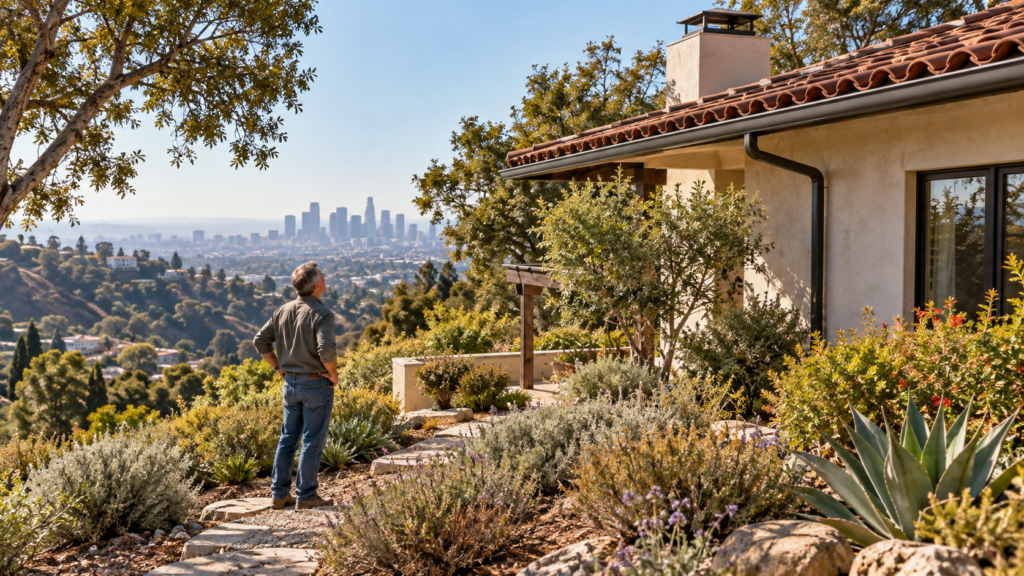
Los Angeles brush clearance is more than a one-time spring cleanup for a hillside homeowner. The Los Angeles Fire Department says owners in a Very High Fire Hazard Severity Zone must maintain specified vegetation clearance year round. A property can look tidy from the street while dry material remains on a roof, under trees, beside a fence, or near a neighbor’s structure.
The useful starting point is the parcel, not a generic landscaping checklist. Verify whether the home is in the applicable zone, check its inspection status, and walk the site with the current LAFD requirements in hand.
Confirm the Parcel and Its Inspection Record
The LAFD brush clearance requirements apply to property in the Very High Fire Hazard Severity Zone. The department’s parcel status instructions explain how owners can use an assessor parcel number to view brush clearance status. Find the number on the tax statement or owner notice, and make sure the record matches the property you own. A nearby home’s notice is not proof that yours has the same status.
Check any inspection notice and the conditions it identifies. If you recently bought the property, request prior notices and proof of corrective work from the seller. A green lawn at the closing walkthrough does not settle whether the whole parcel passed its most recent inspection.
Measure From Structures, Roads, and Fences
LAFD describes a clearance area within 200 feet of structures, including buildings on adjoining properties, and within 10 feet of a combustible fence or a road or driveway used by vehicles. Property lines alone therefore do not describe every relevant distance. Walk the boundary and identify nearby buildings, access routes, and fences before scheduling work.
The general requirements call for grass to be cut to three inches in specified areas and for native brush to be reduced or spaced according to the department’s rules. Do not interpret this as a command to remove every plant. Individual native shrubs and protected vegetation may require different treatment. The city’s detailed rules and any parcel-specific direction should govern the actual scope.
Inspect Trees and the Roof Together
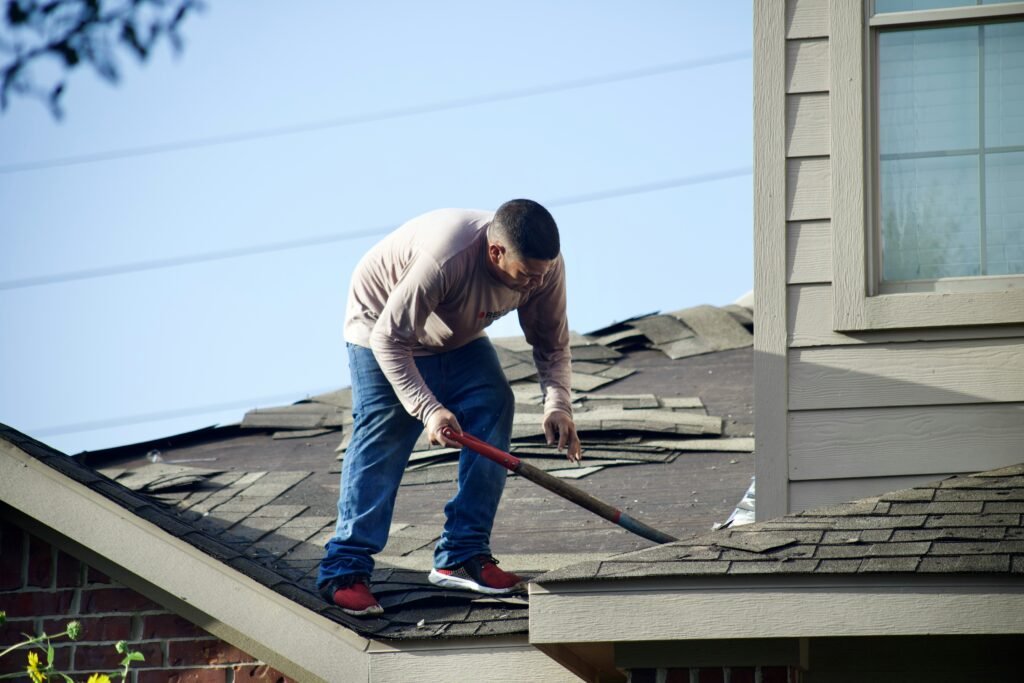
Tree work is about the relationship between foliage and the house, not only whether a tree appears healthy. LAFD calls for lower branches of taller trees to be trimmed so foliage is clear of the ground, dead material removed, and foliage kept away from chimney outlets. Its guidance also says roof surfaces should be free of substantial combustible accumulations and describes vertical clearance between overhanging trees and roofs.
Photograph the roof valleys, gutters, chimney, and branches before and after maintenance. Have difficult or unsafe roof and tree work assessed by qualified professionals. PropertyTale’s aging roof guide covers roof condition more broadly; the brush clearance task concerns the combustible material and vegetation around it.
Remove Cut Material Safely
Cutting dry brush and leaving piles beside a wall or fence can preserve the hazard. LAFD requires cut vegetation and debris to be removed legally and limits how deeply chipped material may be spread in different areas. Keep access routes usable while work is under way. Follow the department’s safety directions for grass and brush operations, including a nearby hose or approved extinguisher and a charged phone.
Check whether a tree or shrub is protected before cutting or removing it. City rules can overlap: clearance work should satisfy fire requirements and applicable protections for native plants. If a crew proposes wholesale removal, ask which LAFD requirement or parcel notice calls for it and whether permits or special handling are needed.
Respond to Notices Before Costs Escalate
The LAFD inspection process describes an initial inspection, notices of noncompliance, and reinspection. Continued noncompliance can lead to city-arranged clearance and invoices for the work and fees. Owners receive a process to dispute charges, but it is easier to address specific findings while the hazard and deadlines can still be documented.
Keep the notice, dated photographs, invoices, and correspondence together. If you believe a finding is mistaken, contact the department through the official process rather than assuming a contractor’s invoice closes the city record. Check parcel status again after the work. A landscaping receipt shows what was billed; the inspection record shows whether the city accepted the correction.
Make It a Year-Round Home Routine
Plan a walk after wind events, seasonal plant growth, and leaf drop. Check the roof and gutter debris, dead branches, new growth near fences, and access for emergency vehicles. PropertyTale’s annual maintenance guide can hold this recurring reminder, but LAFD’s zone and parcel rules determine the actual clearance standard. If the home is being sold, keep records that help the next owner understand the property’s status and ongoing work.
Note: This article is general information, not fire, arboricultural, legal, or insurance advice. Requirements vary by parcel and may change. Verify current Los Angeles Fire Department rules, inspection findings, and protected-plant requirements before doing clearance work.