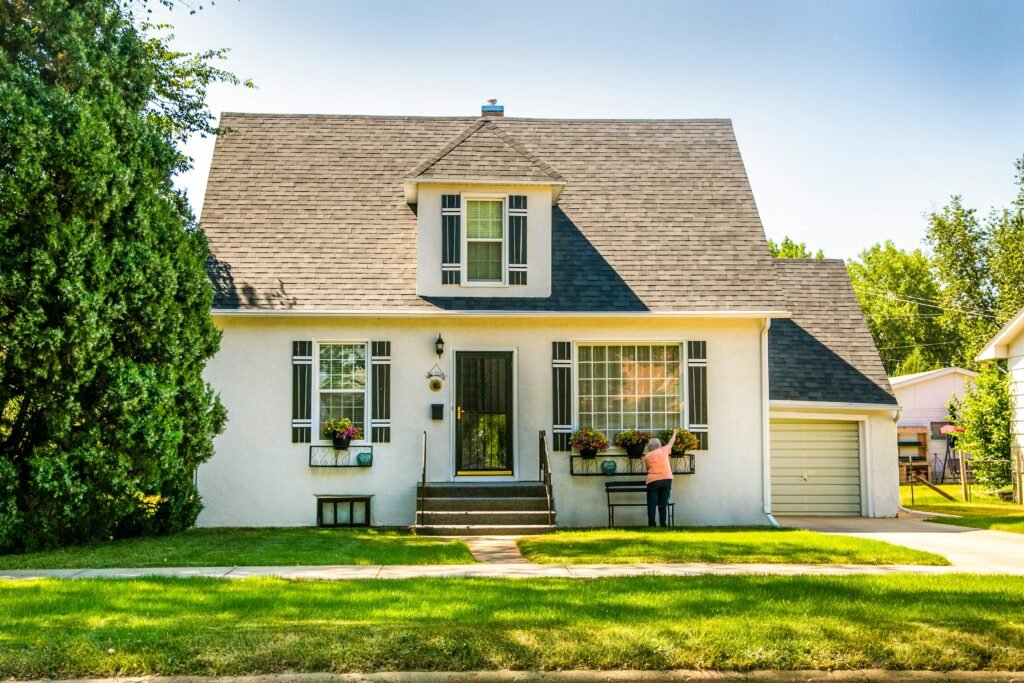

A house viewing gives you an opportunity to decide whether a property deserves a closer look. Attractive furniture, fresh paint and good lighting can make a strong first impression, but buyers should also pay attention to the home’s condition, layout, surroundings and potential ownership costs.
Knowing what to look for during a house viewing can help you identify concerns, compare properties more objectively and determine what questions to ask before making an offer.
A viewing is not a substitute for a professional home inspection. You may not be able to identify hidden structural, electrical, plumbing or environmental problems yourself. Your goal is to notice visible warning signs and decide whether the property meets your needs well enough to continue with the buying process.
Research the Property Before the Viewing
Preparation allows you to spend more time examining the property and less time learning basic information during the appointment.
Before arriving, review the listing and note:
- The asking price
- The property’s age
- The number and size of rooms
- The lot size
- The heating and cooling systems
- Included appliances and fixtures
- Property taxes or similar local charges
- Homeowners association fees, if applicable
- Recent renovations or additions
- How long the property has been listed
Compare the listing photographs with any available floor plan. Write down questions about missing information or areas that are not clearly shown.
You may also want to visit the surrounding neighborhood before the scheduled viewing. This can reveal traffic conditions, noise, nearby construction and other factors that listing photographs may not show.
Examine the Neighborhood First
You are not only evaluating the house. You are also considering the area where you may live for several years.
As you approach the property, observe:
- The condition of nearby homes
- Traffic levels
- Road and sidewalk conditions
- Street parking
- Noise from roads, businesses or transportation
- Nearby vacant properties
- Drainage and signs of standing water
- Distance to work, schools, stores and essential services
- Current or proposed development nearby
Visit the neighborhood at different times if possible. A street that seems quiet during a weekday afternoon may feel different during rush hour, at night or on the weekend.
Location-related concerns are often more difficult to change than problems inside the house. Paint colors and flooring can be replaced, but traffic noise, an inconvenient commute and a poorly positioned lot may remain.
Look at the Roof From the Ground
A roof can be expensive to repair or replace, so examine as much as you can safely see from the ground.
Look for:
- Missing, broken or curling shingles
- Uneven or sagging sections
- Rust or damage on metal components
- Debris collecting in roof valleys
- Damaged flashing around chimneys or vents
- Moss or heavy vegetation growth
- Gutters pulling away from the house
- Water spilling or staining around drainage areas
Ask when the roof was installed and whether the seller has documentation for previous repairs. The age of a roof does not determine its condition by itself, but it can help you anticipate future maintenance or replacement costs.
Never climb onto a roof during an ordinary viewing. A qualified inspector or roofing professional can evaluate it more thoroughly if you decide to proceed.
Walk Around the Exterior
Take time to examine every accessible side of the property rather than going directly through the front door.
Pay attention to:
- Cracks in exterior walls
- Damaged or missing siding
- Peeling paint
- Rot around trim, windows or doors
- Gaps where pests could enter
- Staining beneath windows or roof edges
- Soil sloping toward the foundation
- Water collecting near the house
- Trees touching or leaning toward the structure
- Damaged steps, patios, balconies or railings
Small cracks are not always evidence of a major problem, but large, widening, diagonal or uneven cracks deserve closer examination.
Check whether downspouts direct water away from the foundation. Poor exterior drainage can contribute to moisture intrusion, soil movement and foundation problems.
Check the Foundation for Visible Warning Signs
Most buyers cannot assess a foundation’s structural condition during a viewing. However, certain visible signs may justify further investigation.
Look for:
- Large cracks in the foundation
- Cracks extending diagonally from windows or doors
- Uneven floors
- Doors that do not close properly
- Windows that appear misaligned
- Gaps between walls and ceilings
- Walls that bow or lean
- Water or mineral deposits in the basement
A single sticking door may be caused by humidity, ordinary settlement or a simple alignment issue. Several warning signs appearing together can be more concerning.
Do not attempt to diagnose the cause yourself. If you remain interested in the property, a qualified inspector or structural professional can help determine whether further evaluation is needed.
Notice Smells When You Enter
Odors can provide useful clues about a property’s condition.
Be alert to:
- Musty smells that may indicate moisture or mold
- Strong fragrances that could be masking another odor
- Sewage or drain odors
- Pet odors
- Cigarette smoke
- Fuel or gas smells
- Damp smells in basements and closets
A recently painted or heavily scented room is not necessarily hiding a problem. However, it is reasonable to ask why it was painted or deodorized and whether there has been previous water, smoke or pet damage.
If you smell gas or another potentially hazardous substance, leave the area and notify the appropriate person rather than attempting to investigate it yourself.
Look Beyond Fresh Paint and Staging
Staging can help buyers understand how rooms might be used, but it can also make spaces appear larger or draw attention away from defects.
Look behind and around furniture when appropriate. Examine:
- Walls partially covered by large artwork
- Floors beneath rugs
- Corners hidden by furniture
- Ceilings above staged seating areas
- Closets filled with storage containers
- Fresh paint limited to one wall or ceiling section
You should respect the seller’s belongings and avoid moving furniture without permission. However, you can still carefully observe accessible areas and ask questions about anything that appears unusual.
Check Walls and Ceilings
Walls and ceilings can reveal evidence of moisture, movement or previous repairs.
Watch for:
- Brown or yellow stains
- Bubbling or peeling paint
- Cracked or loose plaster
- Freshly patched sections
- Mold-like discoloration
- Cracks around doors and windows
- Sagging ceilings
- Uneven wall surfaces
Ask whether the home has experienced roof leaks, plumbing leaks, flooding or other water damage. If repairs were completed, request information about what caused the damage and how it was corrected.
A cosmetic repair may conceal the visible stain without resolving the underlying source of moisture.
Pay Attention to the Layout
A house can be in excellent condition and still be unsuitable for your daily life. Look beyond the room count and consider how the floor plan would actually function.
Ask yourself:
- Is there enough storage?
- Are the bedrooms appropriately located?
- Is the kitchen convenient for everyday use?
- Are bathrooms accessible from the rooms they serve?
- Is there enough natural light?
- Can your furniture fit comfortably?
- Is there a practical place to work from home?
- Are stairs likely to create accessibility problems?
- Is there a usable entrance for groceries, children or pets?
- Would guests have sufficient privacy?
Take basic measurements if the seller or agent permits it. Wide-angle listing photographs can make rooms look larger than they are.
Think carefully before assuming that a wall can be removed or an area easily expanded. Structural requirements, utilities, permits and local rules may make a seemingly simple renovation more complicated or expensive.
Test Doors and Windows
With permission, open and close a representative selection of interior doors, exterior doors and windows.
Check whether they:
- Open and close smoothly
- Lock properly
- Have damaged glass or frames
- Allow noticeable drafts
- Show condensation between panes
- Have rot, staining or water damage nearby
- Appear recently installed or repaired
Windows that stick may require minor maintenance, but they can also be affected by moisture, damaged frames or movement within the structure.
Pay particular attention to exterior doors. Gaps, damaged seals and poor alignment can affect security and energy efficiency.
Look for Signs of Moisture
Water damage can lead to expensive repairs and may not always be immediately obvious.
Inspect accessible areas around:
- Sinks
- Toilets
- Bathtubs and showers
- Water heaters
- Dishwashers
- Washing machines
- Basement walls
- Attic access points
- Exterior doors and windows
Look for discoloration, swelling, soft materials, peeling finishes, rust or mineral deposits. Check inside accessible sink cabinets for stains or dampness if permission is given.
Ask whether the property has experienced flooding, burst pipes, roof leaks, sewer backups or recurring drainage problems. The seller’s disclosure obligations depend on local law, so important questions should be documented through the appropriate transaction process.
Observe the Plumbing
You will not be able to assess the entire plumbing system during a short viewing, but you can look for basic performance and visible problems.
With permission:
- Turn on faucets.
- Check how quickly water drains.
- Observe the water pressure.
- Flush toilets.
- Look for leaks under sinks.
- Check for rust or staining around fixtures.
- Listen for unusual pipe noises.
- Note the water heater’s apparent age and condition.
Low water pressure at one fixture may be a minor problem, while low pressure throughout the house may require more investigation.
Do not assume that clear-running water confirms that the plumbing is in good condition. Supply lines, drains, sewer connections and hidden pipes require closer professional evaluation.
Examine the Electrical Features
You should never remove electrical panels, touch exposed wiring or attempt technical testing during a viewing. You can still observe visible components.
Look for:
- Damaged outlets or switches
- Loose covers
- Extension cords used as permanent wiring
- Exposed wires
- Flickering lights
- Scorch marks
- An insufficient number of outlets
- Older-looking electrical equipment
Ask about the age of the electrical system and whether major upgrades were completed with the required approvals.
Older wiring is not automatically unsafe, but it may require evaluation and could affect renovation plans, insurance eligibility or future ownership costs.
Ask About Heating and Cooling
Heating and cooling systems can be costly to replace, and their performance can significantly affect comfort and monthly expenses.
Find out:
- What type of system the home uses
- How old the equipment is
- When it was last serviced
- Whether all areas of the home are adequately heated or cooled
- Whether maintenance records are available
- Whether any rooms rely on separate units
Notice whether certain rooms feel unusually warm, cold or humid compared with the rest of the property. Uneven temperatures can have several causes, including insulation, airflow, equipment condition or the home’s design.
A system turning on during a viewing does not confirm that it is operating efficiently or reliably.
Look Inside the Basement, Attic and Garage
These areas may reveal problems that are less noticeable in finished living spaces.
Basement
Check for:
- Water staining
- Damp odors
- Cracks
- Rusted equipment
- Efflorescence or mineral deposits
- Sump pumps or drainage systems
- Recently installed wall coverings
- Signs of pests
Attic
If the attic is safely and readily accessible, observe it from the access point. Do not enter an unsafe or unfinished attic during a normal viewing.
Look for:
- Water stains
- Daylight through the roof
- Damaged insulation
- Mold-like growth
- Pest activity
- Improvised wiring or repairs
Garage
Examine:
- The garage door and visible components
- Cracks in the floor
- Water entry
- Storage capacity
- Electrical outlets
- The condition of attached walls and ceilings
- Access between the garage and the house
These spaces are important even if you do not plan to use them frequently. Problems found there can affect the rest of the property.
Consider Natural Light, Noise and Privacy
Try to experience the home as you would during an ordinary day.
Stand quietly in different rooms and listen for:
- Road traffic
- Aircraft
- Trains
- Nearby businesses
- Dogs
- Shared walls
- Plumbing or mechanical equipment
Look through windows and evaluate privacy. A bedroom may directly face a neighboring window, or a backyard may be visible from surrounding properties.
Consider which direction the home and its major windows face. The amount of natural light may change throughout the day and across different seasons.
Inspect the Yard and Property Boundaries
The outdoor space may affect maintenance demands, privacy and future plans.
Look for:
- Dead or leaning trees
- Overgrown vegetation
- Damaged fences
- Standing water
- Erosion
- Steep slopes
- Retaining walls
- Cracked driveways
- Shared access points
- Utility equipment
- Structures close to apparent boundaries
Do not assume that a fence marks the legal property line. Surveys, title documents and public records may provide more reliable information.
If you hope to build an addition, install a pool or add another structure, investigate zoning, easements, utility locations and community restrictions before relying on those plans.
Ask About Renovations and Permits
Updated kitchens, finished basements and room additions can add appeal, but buyers should understand how the work was completed.
Ask:
- When was the work performed?
- Who completed it?
- Were permits or approvals required?
- Were final inspections completed?
- Are warranties or receipts available?
- Were electrical, plumbing or structural systems changed?
Permit requirements vary by location and project. Missing permits do not necessarily prove that work is defective, but they can create uncertainty about safety, insurance, financing and future resale.
Estimate the True Cost of Ownership
The purchase price and mortgage payment are only part of the cost of owning a home.
During the viewing, consider likely expenses involving:
- Property taxes
- Homeowners insurance
- Association fees
- Utilities
- Lawn and landscape maintenance
- Roof replacement
- Heating and cooling equipment
- Exterior maintenance
- Older appliances
- Immediate repairs
- Planned renovations
A lower-priced property requiring major repairs may ultimately cost more than a well-maintained home with a higher asking price.
Ask for available information about utility costs, association fees and recent improvements, but remember that the seller’s expenses may differ from yours.
Questions to Ask During a House Viewing
Prepare a consistent set of questions so you can compare properties more easily.
Useful questions include:
- How old are the roof, heating system, cooling system and water heater?
- Has the property experienced flooding, leaks or significant water damage?
- What major repairs or renovations have been completed?
- Were permits obtained for renovations where required?
- What fixtures and appliances are included in the sale?
- Are there known problems with the property?
- Are there association fees or community restrictions?
- Are there shared driveways, easements or boundary concerns?
- How long has the property been listed?
- Have previous transactions involving the property fallen through?
- What are the typical utility costs?
- Are there planned developments or major construction projects nearby?
The seller or listing agent may not know every answer during the viewing. Ask for important information to be confirmed through appropriate documentation before making a final decision.
House-Viewing Checklist
| Area | What to examine |
|---|---|
| Neighborhood | Traffic, noise, nearby properties and services |
| Roof | Missing materials, sagging and damaged drainage |
| Exterior | Cracks, rot, grading and water staining |
| Foundation | Significant cracks, movement and uneven surfaces |
| Interior | Layout, storage, light and room sizes |
| Walls and ceilings | Stains, cracks, patches and peeling finishes |
| Plumbing | Pressure, drainage, leaks and fixture condition |
| Electrical | Visible damage, outlets and older equipment |
| Heating and cooling | System type, age, condition and comfort |
| Windows and doors | Operation, locks, drafts and water damage |
| Basement and attic | Moisture, pests, insulation and roof leaks |
| Yard | Drainage, trees, fences and retaining walls |
| Costs | Taxes, insurance, fees, maintenance and repairs |
Take Notes and Photographs
After several viewings, properties can become difficult to remember accurately. Take notes as you move through each home and photograph important areas when permission is given.
Record:
- Features you liked
- Concerns requiring further investigation
- Questions that were not answered
- Repairs you would need immediately
- Longer-term improvements
- Approximate room dimensions
- How the property compares with others you have viewed
Do not photograph personal documents, family photographs or other private belongings belonging to the seller.
A simple scoring system can help you compare homes based on condition, location, layout, affordability and future maintenance rather than relying only on emotional impressions.
Consider a Second Viewing
If you remain seriously interested, request another viewing before making an offer when market conditions and timing allow.
During the second visit:
- View the property at a different time.
- Recheck areas you may have rushed through.
- Bring a trusted person for another perspective.
- Take measurements.
- Listen for neighborhood noise.
- Review your original concerns.
- Ask follow-up questions.
The first visit often creates an emotional response. A second viewing can help you evaluate the property more objectively.
Do You Still Need a Home Inspection?
Yes. A careful viewing can help you recognize visible concerns, but it cannot establish the condition of the entire property.
A professional inspection may provide more detailed information about accessible structural components, roofing, plumbing, electrical systems, heating and cooling equipment and other features. Depending on the property, additional specialists may be needed.
Even a professional inspection cannot guarantee that every hidden problem will be discovered. However, it can provide valuable information for deciding whether to proceed, negotiate or investigate an issue further.
Frequently Asked Questions
How long should a house viewing take?
There is no universal time requirement, but buyers should allow enough time to examine every accessible part of the property without rushing. Larger, older or more complicated homes may require longer visits.
Should you open cabinets during a viewing?
You can generally ask permission to open built-in cabinets, closets and accessible areas that are part of the property. Do not open furniture, personal containers or spaces that clearly contain the seller’s private belongings.
Can you take photographs during a house viewing?
Ask the seller or agent for permission first. Photographs can help you compare properties, but the home remains someone else’s private space.
What is the biggest warning sign during a viewing?
There is no single warning sign that applies to every property. Evidence of active water intrusion, significant movement, unsafe conditions or major undisclosed work should receive careful attention and further professional evaluation.
Should cosmetic problems stop you from buying a house?
Minor cosmetic issues are often relatively easy to change. The decision should consider the cost of correcting them alongside the property’s location, structure, major systems, layout and total ownership expenses.
Can you make an offer before having an inspection?
In many markets, buyers make an offer and arrange an inspection afterward under an inspection contingency. Available options and risks depend on the purchase agreement and local practices. Buyers should understand the consequences before waiving inspection protections.
Look Past the First Impression
A house viewing should help you answer two separate questions: Does the property suit your lifestyle, and is there anything that deserves closer investigation?
Pay attention to the home’s location, layout, visible condition, major systems and likely ownership costs. Take notes, ask direct questions and avoid allowing attractive staging to distract you from practical concerns.
If the property remains a strong candidate, a professional inspection and careful document review can provide the deeper information needed before completing the purchase.
Property Note: This article provides general educational information and is not a substitute for professional real estate, legal, financial, engineering or home-inspection advice. Property conditions, disclosure rules and buying procedures vary by location. Consult qualified local professionals before purchasing a home.