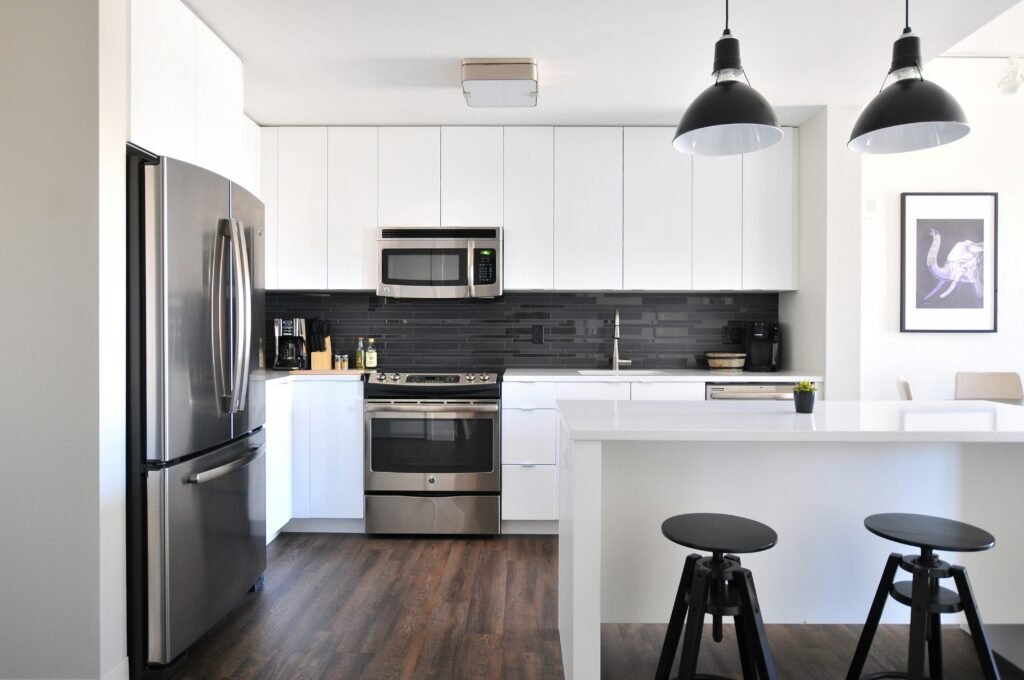
For decades, renters moving into some Los Angeles apartments encountered an unusual problem: the kitchen had space for a refrigerator, but the tenant had to supply the appliance. That longstanding rental practice changed under a California law that took effect in 2026.
The new rental refrigerator rules generally require landlords to provide and maintain a working refrigerator in covered rental units when a lease is entered into, amended or extended on or after January 1, 2026. The law also addresses stoves, tenant-owned refrigerators, recalled appliances and certain exempt properties.
Although this is a statewide law, it is especially relevant in Los Angeles because refrigerator-free apartment listings have historically been more common there than in many other rental markets.
What Changed in 2026?
California Assembly Bill 628 amended Section 1941.1 of the California Civil Code, which identifies the basic characteristics a dwelling must have to be considered tenantable.
For covered leases entered into, amended or extended on or after January 1, 2026, a rental home must generally have:
- A refrigerator in good working order that can store food safely
- A stove in good working order that can safely produce heat for cooking
The official text of AB 628 places these appliances alongside other basic rental standards involving plumbing, heating, electrical systems and weather protection.
The requirement applies throughout California, including rental properties within the City of Los Angeles and elsewhere in Los Angeles County. It is not a separate Los Angeles ordinance, although its effect may be particularly noticeable in the local rental market.
Which Los Angeles Leases Are Covered?
The appliance requirements apply to a lease that is entered into, amended or extended on or after January 1, 2026.
A newly signed rental agreement beginning in 2026 is therefore generally covered. A lease renewal or qualifying extension may also activate the requirements, as may an amendment to an existing agreement.
Owners and tenants should be careful when evaluating an older tenancy that has continued without a newly signed document. Whether a particular change or continuation counts as an amendment or extension can depend on the facts and the form of the rental agreement.
Landlords should not assume that an older tenancy remains outside the law indefinitely. Before renewing, extending or changing a lease, they should review whether the new requirements will apply.
Does the Landlord Have to Buy the Refrigerator?
In most covered Los Angeles rentals, the landlord must provide a refrigerator that is in good working order and capable of storing food safely.
The landlord cannot make acceptance of the tenancy conditional on the renter supplying a refrigerator. In other words, an advertisement or lease for a covered unit generally should not require prospective tenants to purchase and install their own appliance.
The refrigerator does not need to be new, luxurious or equipped with optional features. The law focuses on whether it works and can safely store food. A clean and functional standard refrigerator may satisfy the requirement even if it does not include an ice maker, water dispenser or smart controls.
Can a Tenant Bring a Personal Refrigerator?
A tenant may choose to provide and maintain a personal refrigerator, but this arrangement must be voluntary and properly documented when the lease is signed.
The lease must contain the disclosure prescribed by state law. That disclosure acknowledges that the landlord would otherwise be required to supply a working refrigerator and confirms that the tenant asked to use a personal appliance.
The agreement must also allow the tenant to change that decision. After providing 30 days’ written notice that the personal refrigerator will no longer be used, the tenant must receive a working landlord-provided refrigerator at the end of the notice period.
When a tenant voluntarily provides the refrigerator under a compliant agreement, the landlord is not responsible for maintaining that tenant-owned appliance.
A casual verbal understanding may not satisfy these requirements. Both parties should keep a copy of the signed lease and appliance disclosure.
Does the Rule Include a Stove?
AB 628 also requires a working stove capable of safely generating heat for cooking in covered rental units.
The tenant-owned refrigerator option does not create an equivalent general option for tenants to provide their own stove. Portable hot plates, countertop ovens and similar devices should not automatically be treated as substitutes for a compliant stove.
Before a new tenant moves in, a landlord or property manager should test the burners, oven controls, electrical connection or gas connection, and other relevant safety features.
Who Is Responsible for Refrigerator Repairs?
When the landlord supplies the refrigerator, the owner generally remains responsible for keeping it in good working order.
A tenant should report problems promptly and in writing. The notice should describe the issue clearly, such as:
- The refrigerator is no longer cooling
- Food is freezing in the refrigerator compartment
- The appliance is leaking
- The door does not seal
- The electrical connection appears unsafe
- The refrigerator has stopped operating
Photographs, videos and temperature readings may help document the problem. Tenants should avoid attempting electrical, refrigerant or mechanical repairs unless the landlord has expressly authorized qualified work.
For landlords, refrigerator repairs should become part of the property’s maintenance system. Owners can account for appliance service and eventual replacement when creating a rental property maintenance budget.
How Quickly Must a Broken Refrigerator Be Repaired?
AB 628 requires the refrigerator to remain in good working order, but the statutory language does not create one universal repair deadline for every ordinary malfunction.
The appropriate response time may depend on the severity of the problem, the landlord’s notice of it, replacement-part availability, habitability standards and other circumstances. A completely nonfunctional refrigerator that cannot store food safely deserves prompt attention.
Landlords should acknowledge the report, arrange an inspection and communicate the expected repair or replacement schedule. If a temporary solution is offered, both parties should document what it includes and how long it is expected to remain in place.
Property managers should also retain the service request, contractor invoice, photographs and completion record. Owners who delegate maintenance can periodically audit repairs handled by a property manager to verify that the work was completed and billed correctly.
Special Rule for Recalled Appliances
The law provides a specific deadline when a supplied stove or refrigerator is subject to a recall by its manufacturer or a public entity.
A landlord must repair or replace the recalled appliance within 30 days after receiving notice of the recall. The law treats a recalled refrigerator as incapable of safely storing food and a recalled stove as incapable of safely generating cooking heat.
Landlords should record:
- The date they learned about the recall
- The appliance’s make and model
- Its serial number
- Communications sent to the tenant
- The repair or replacement date
- Any documentation provided by the manufacturer
Checking model and serial numbers before placing an appliance in a rental can prevent a recalled unit from being installed in the first place.
Are Any Rental Properties Exempt?
The new stove and refrigerator requirements do not apply to every type of dwelling.
AB 628 identifies exemptions that include:
- Permanent supportive housing as defined by state law
- Certain single-room occupancy units
- Residential hotel units
- Units in housing facilities offering shared or communal kitchens
- Certain units within assisted living facilities
A typical Los Angeles apartment, condominium, duplex or single-family rental should not be assumed exempt merely because it is older, rent-controlled, furnished or relatively small.
Owners who believe an exemption applies should confirm that the property meets the law’s exact definition. An informal description such as “shared housing” may not be enough.
What Should Landlords Do Before Advertising a Unit?
Before listing a covered Los Angeles rental, the landlord or property manager should inspect the kitchen and confirm that the required appliances are present and operating safely.
The listing should accurately describe which appliances are supplied. Photographs should not suggest that a refrigerator is included if the unit will be delivered without one.
Before move-in, landlords should record the refrigerator’s:
- Make and model
- Serial number
- General condition
- Interior condition
- Approximate age
- Known warranty coverage
- Operating temperature
The move-in condition report should include photographs of the refrigerator, shelves, drawers, seals and exterior. This documentation may help distinguish an ordinary mechanical failure from physical damage caused during the tenancy.
Landlords preparing their first lease may also benefit from reviewing what first-time landlords should know before accepting a tenant.
Can a Landlord Charge the Tenant for Damage?
The landlord’s duty to provide and maintain a working refrigerator does not necessarily make the owner responsible for every type of appliance damage.
A tenant may potentially be responsible when damage results from misuse, negligence or intentional conduct, subject to the lease and applicable law. An older component that fails through ordinary use is more likely to be treated as the owner’s maintenance responsibility.
Examples requiring closer review may include broken shelves, damaged doors, missing drawers or punctured interior panels. The landlord should compare the move-in documentation with the condition after the incident.
Before charging a tenant, distinguish actual damage from normal wear and tear in a rental property. Keep invoices, photographs and written communications supporting any amount claimed.
What Should Renters Check During a Viewing?
Los Angeles renters should not assume that an appliance works simply because it appears in the listing or kitchen.
During a viewing or move-in inspection, check whether:
- The refrigerator is present
- The interior feels cold
- The door closes and seals correctly
- Shelves and drawers are stable
- There is visible leaking or moisture
- The appliance makes unusual noises
- The electrical cord appears damaged
- The freezer reaches an appropriate temperature
- The lease identifies who owns and maintains it
If a listing says that the tenant must provide a refrigerator, ask how the landlord believes that arrangement complies with the 2026 requirements. A tenant who genuinely prefers to use a personal refrigerator should read the required lease language carefully before agreeing.
How Should Property Managers Update Their Procedures?
Los Angeles property managers should revise listing templates, lease forms, move-in checklists and maintenance procedures to reflect the new requirements.
A useful appliance-management process should include documenting each refrigerator, checking recall notices, testing appliances between tenancies and responding promptly to repair requests.
Management agreements should also explain who can authorize a replacement and how the cost will be reported to the owner. Appliance purchases and repairs are part of the hidden rental property expenses that owners should include when estimating cash flow.
A Refrigerator Is Now More Than an Optional Amenity
For covered Los Angeles leases, a working refrigerator is no longer simply an optional feature used to make a listing more attractive. It is part of California’s statutory standard for a tenantable dwelling.
Landlords should provide an appropriate appliance, document its condition and arrange repairs when it stops working. Tenants who choose to bring their own refrigerator must do so voluntarily through the required written arrangement.
Clear lease language and thorough move-in documentation can prevent many disagreements over ownership, maintenance and damage. Both landlords and renters should review the official requirements whenever a lease is signed, extended or amended.
Note: This article provides general information and does not constitute legal advice. California rental laws and their application can depend on the property, lease and specific circumstances. Landlords and tenants should consult the official law or a qualified local professional when addressing a compliance dispute.